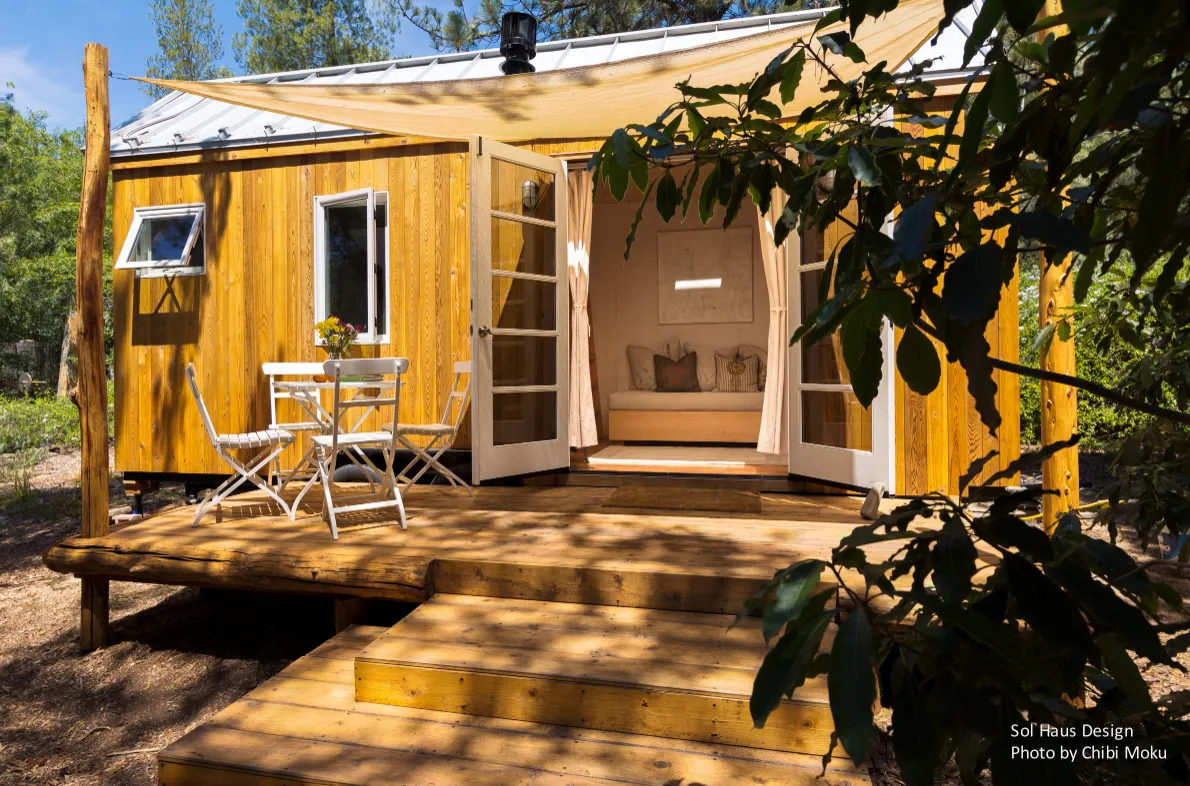
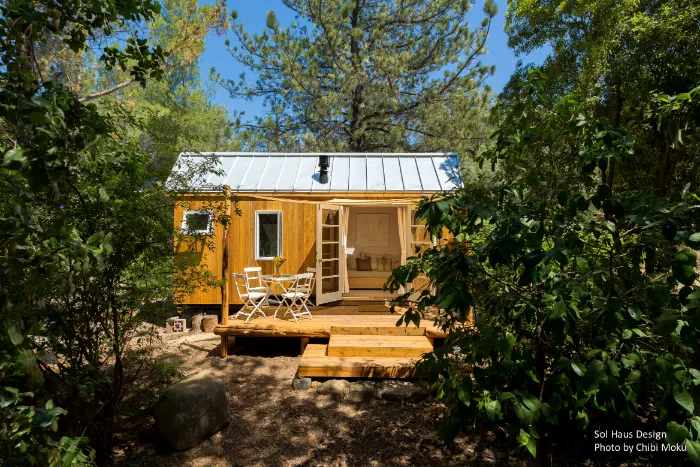
Vina Lustado’s tiny house project in Ojai is less about novelty and more about a self-directed experiment in living lightly, with the architecture acting as proof that a home can be reduced to essentials without feeling improvised. At just 140 square feet and designed to be off-the-grid, the house sets itself up as a measured response to debt, clutter, and overbuilding. The film frames it as a lifestyle choice, but the design logic is architectural: every decision is tied back to efficiency, flexibility, and responsibility rather than aesthetic minimalism for its own sake.
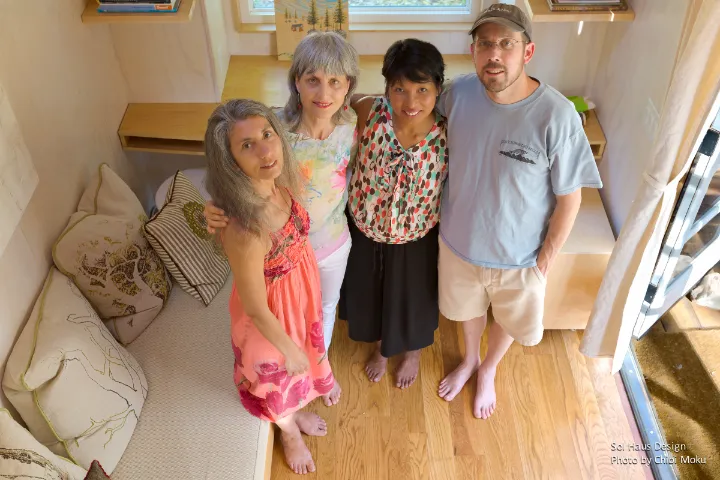
What makes this project especially strong is that it is not treated like a product, but as a build rooted in local making. Vina enlisted Ojai artists and craftsmen, and the home becomes a small community artifact rather than an isolated cabin. The video leans into that social side, showing the build as a gathering, with friends and collaborators shaping the structure and its details. That matters because tiny homes often get described as individual escape plans, but here it’s explicitly tied to a bigger ambition: Vina’s stated hope is to create a tiny house community addressing affordable housing and environmental impact, not just a personal retreat.
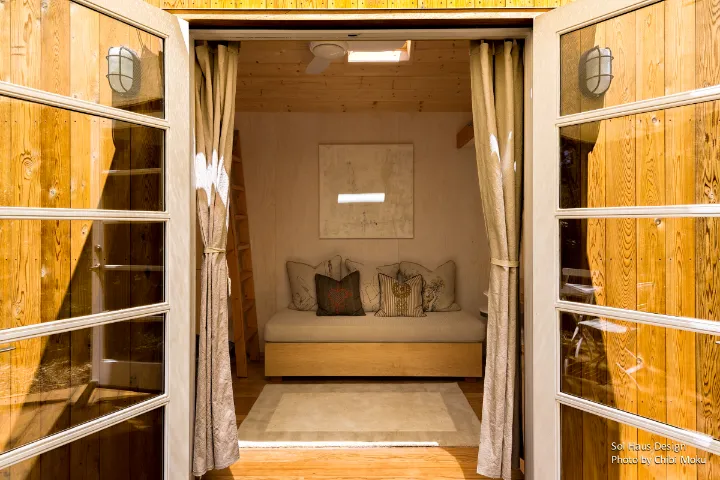
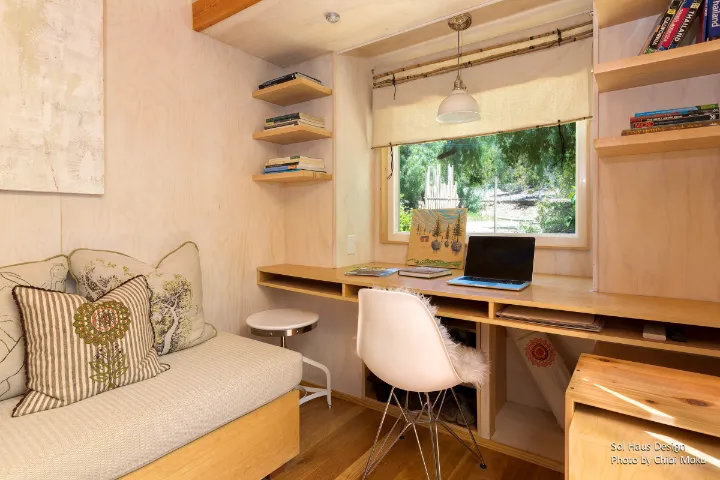
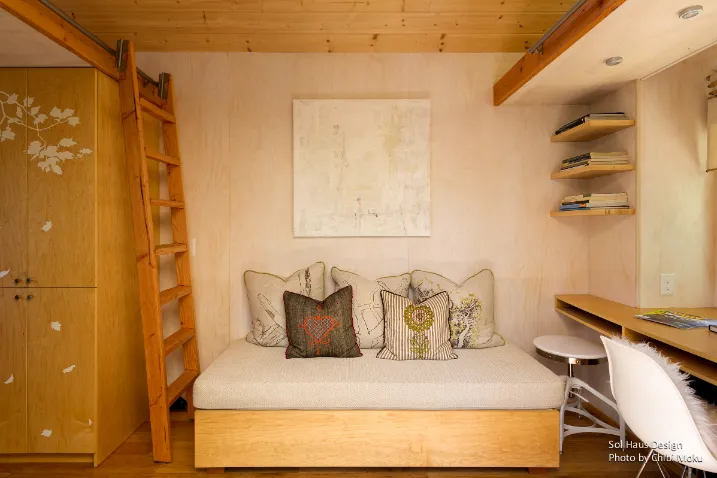
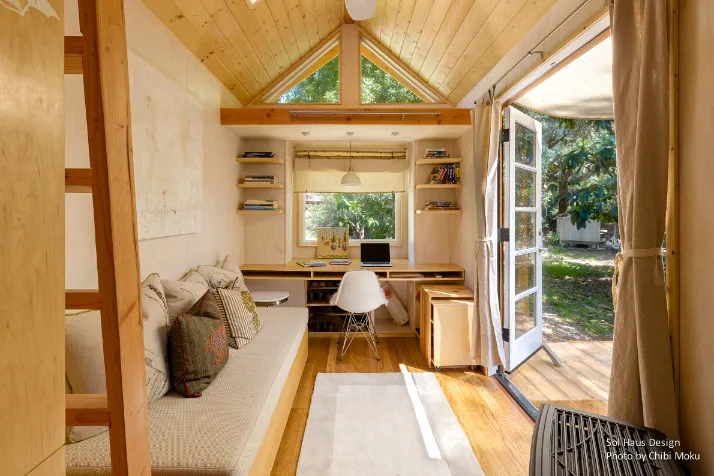
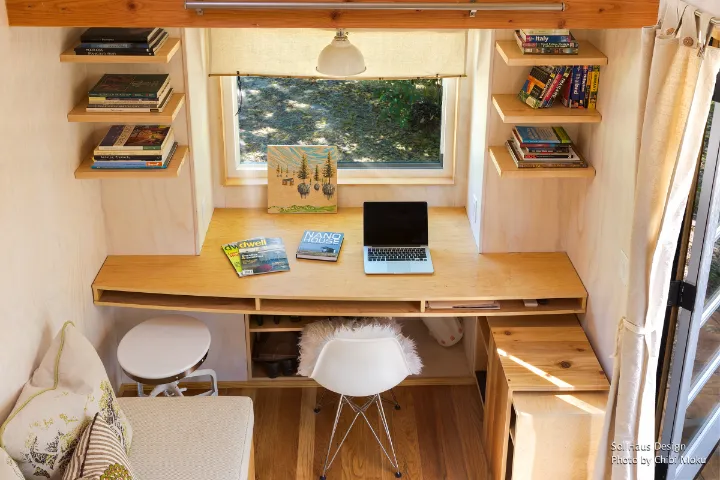
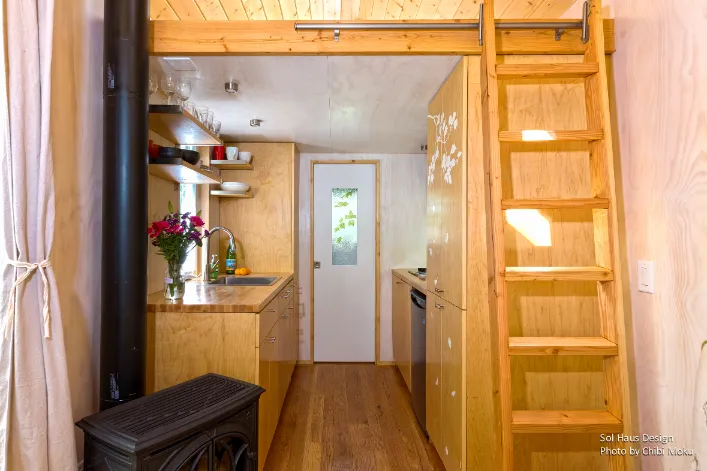
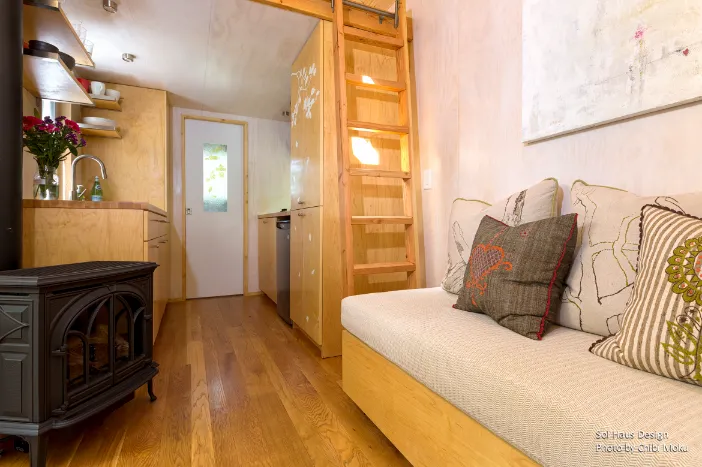
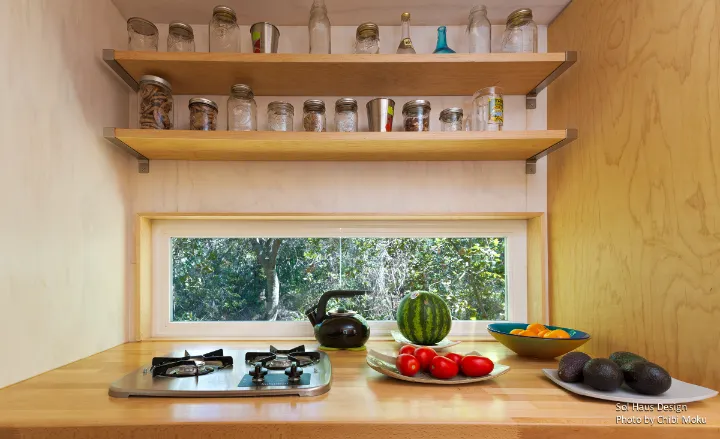
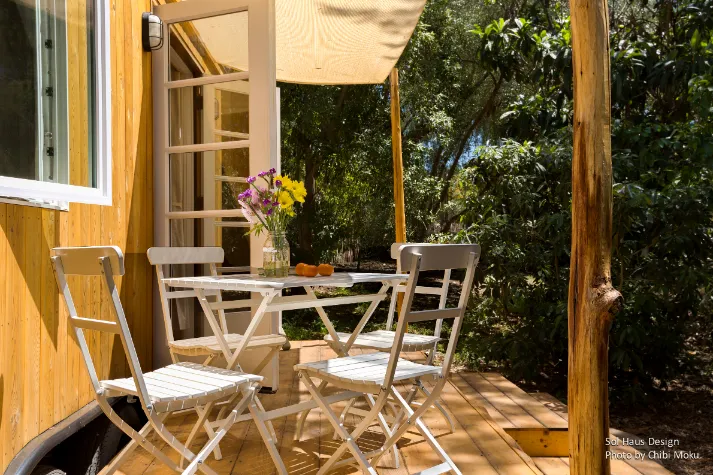
Architecturally, the interior is driven by dimension-first design, the kind of thinking that becomes unavoidable when you only have 140 square feet. Vina calls out a key principle: most furniture and spatial planning assume an “average person,” but if you measure your own dimensions and habits, a small space can work for many body types, not just some mythical “tiny person.” That idea shows up everywhere in the layout. Seating converts to storage. A side table transforms into a dining table. The open floor becomes a yoga room. Instead of dedicating square footage to single-purpose rooms, the house is built around multi-use zones that shift function across the day.
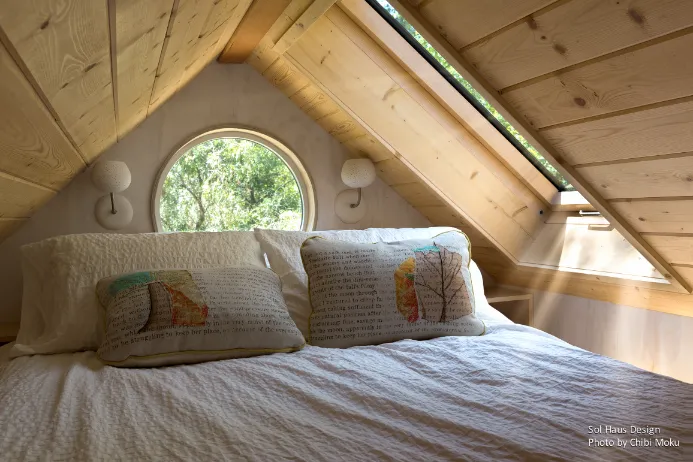
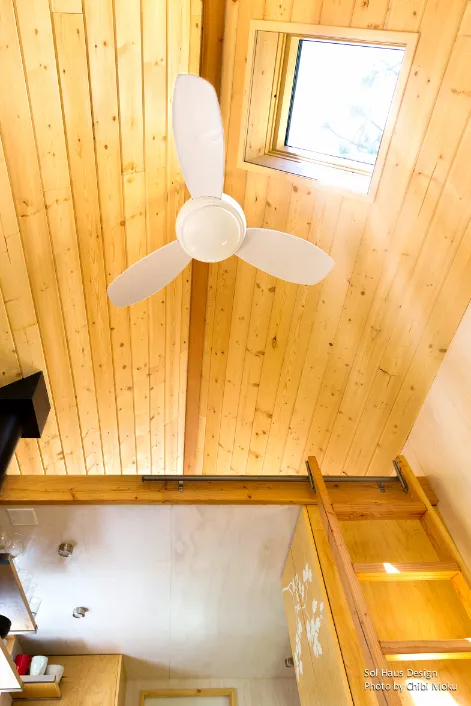
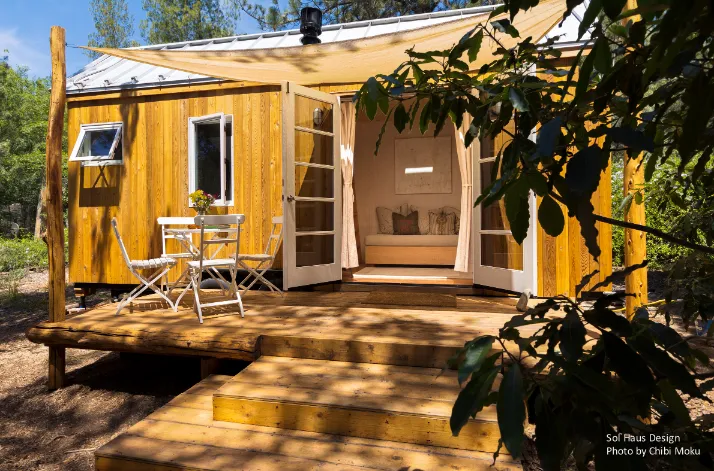
Several specific design moments underline the craft side of the build. The mention of triangular windows and careful framing points to how geometry becomes a character element in small projects, where every opening carries both structural and experiential weight. The windows are not just light sources, they define the personality of the small interior and reinforce that this is a designed structure, not a shed with decoration. The film also highlights the precision of fit and finish, the feeling that everything “met so perfectly,” which is often what separates a serious small building from a temporary one.
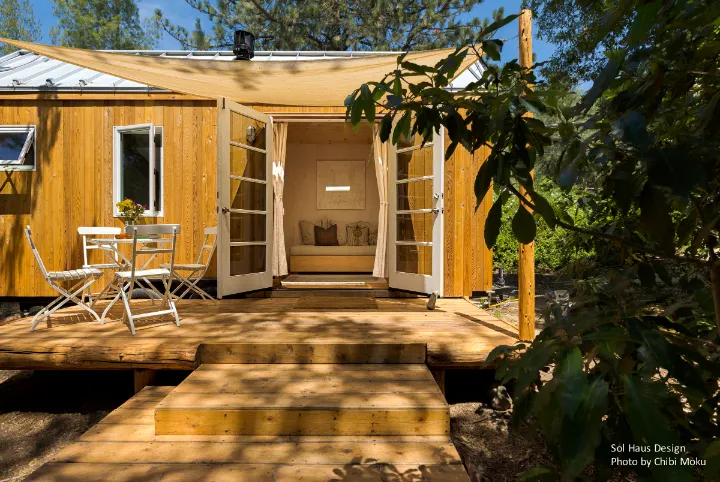
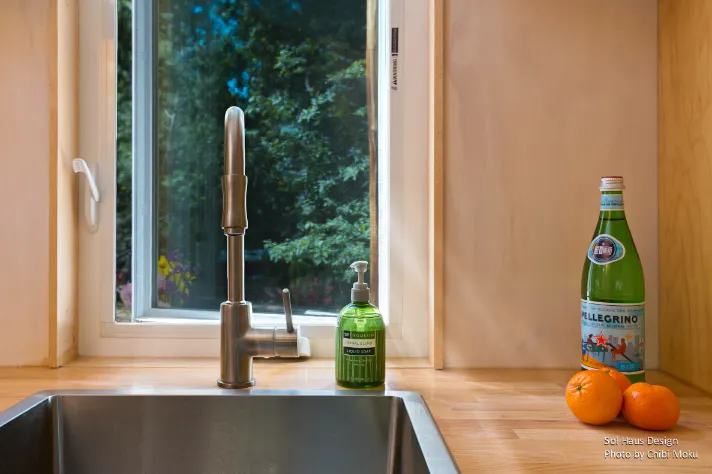
The house’s philosophy is also expressed through what it excludes. Vina comments on not having a TV, describing nature as the primary entertainment: birds, squirrels, and the larger wildlife presence of the surrounding hills. That aligns with the off-grid logic but also affects the architecture itself. The house becomes less of an enclosed media container and more of a viewing instrument, a protected platform for living close to landscape. In that sense, the tiny house is not a scaled-down conventional home. It behaves like a carefully tuned piece of environmental design, where storage, movement, light, and daily rituals have been compressed into a compact architectural argument: less space, more intention, and a tighter relationship with place and community.