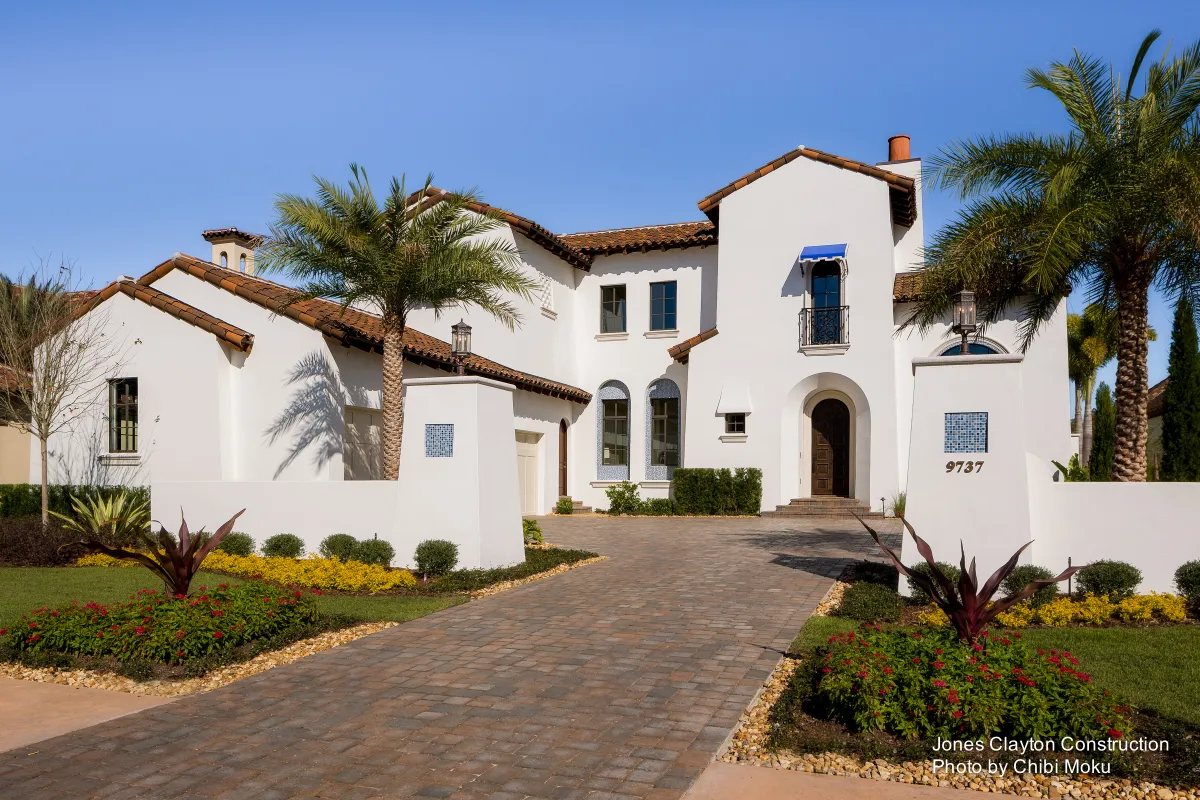
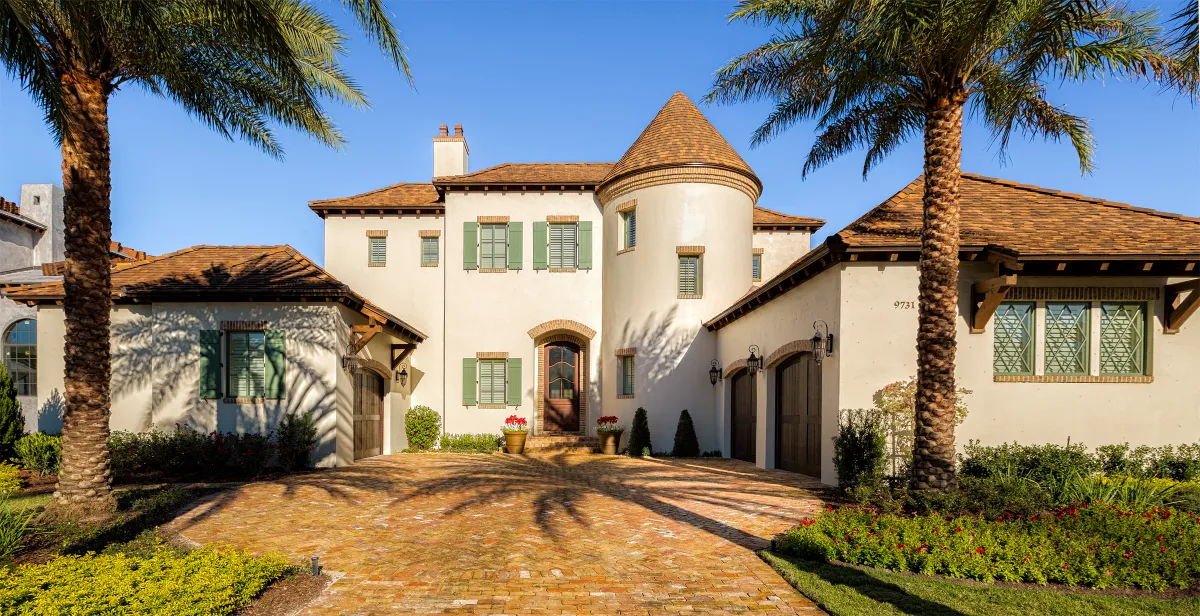
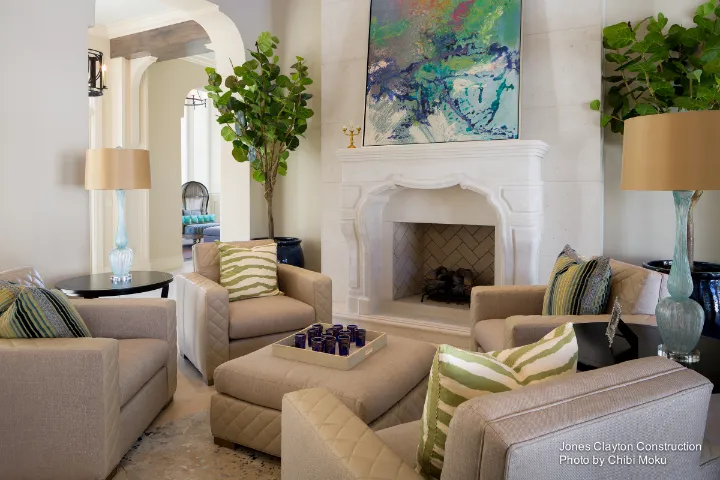
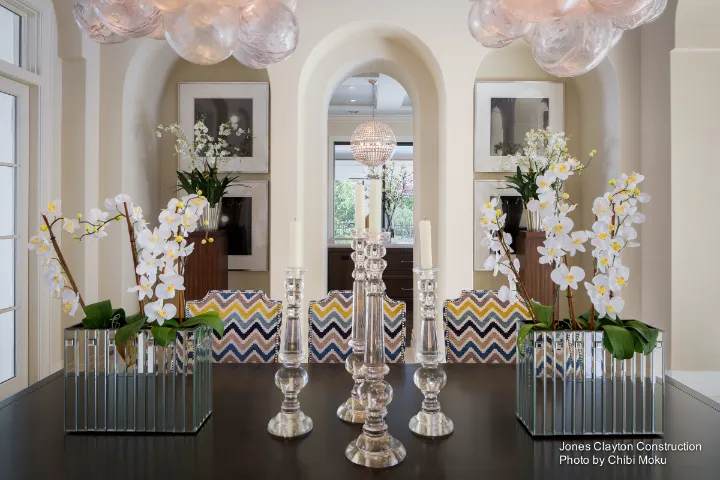
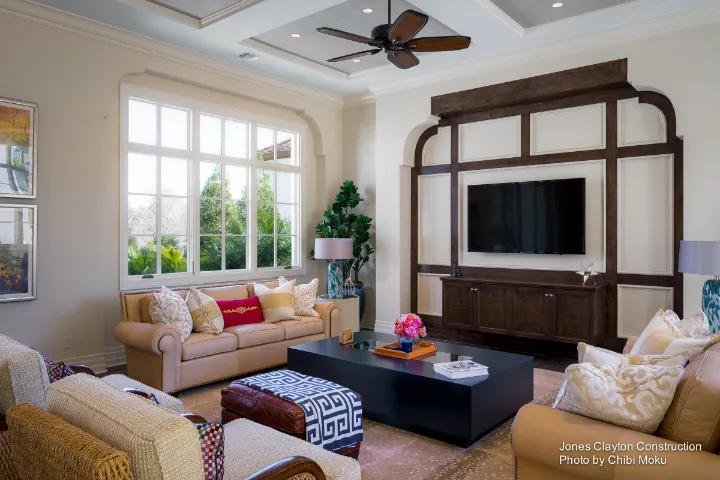
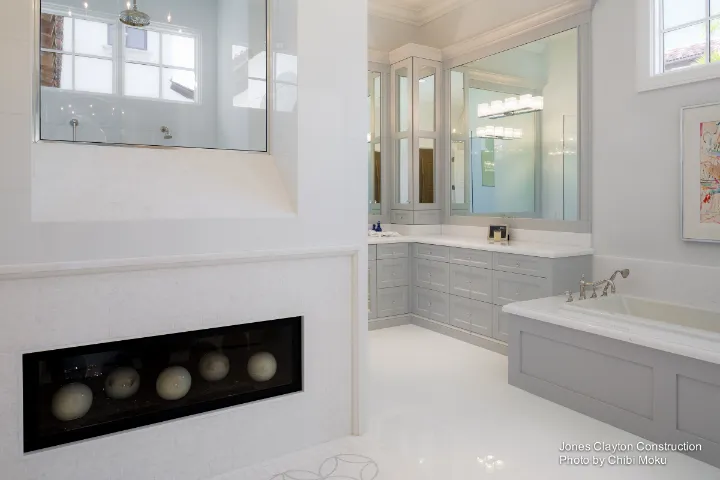
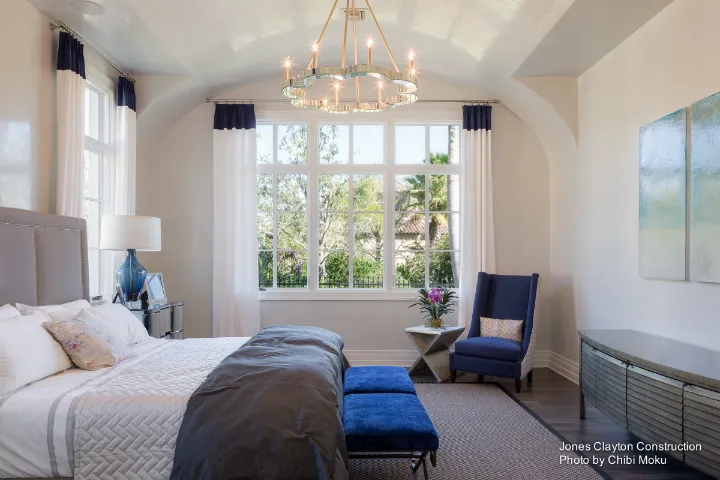
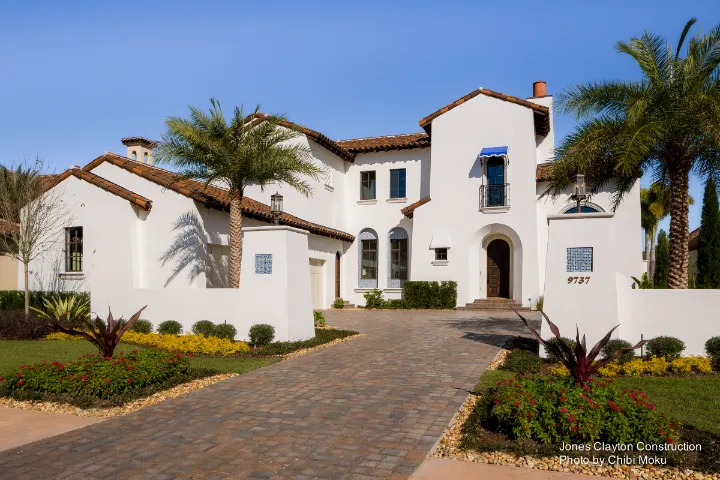
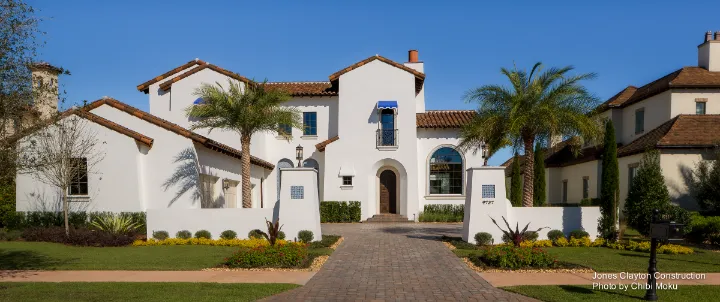
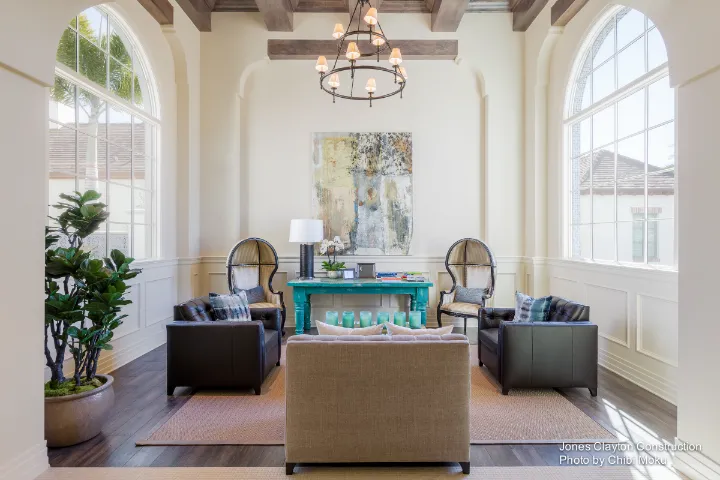
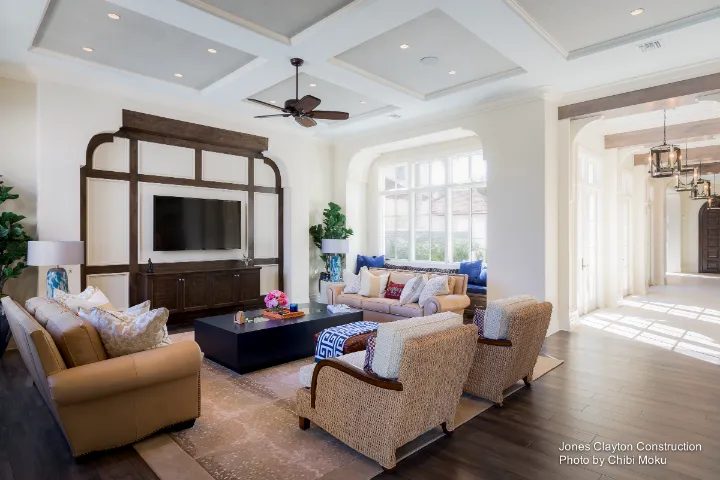
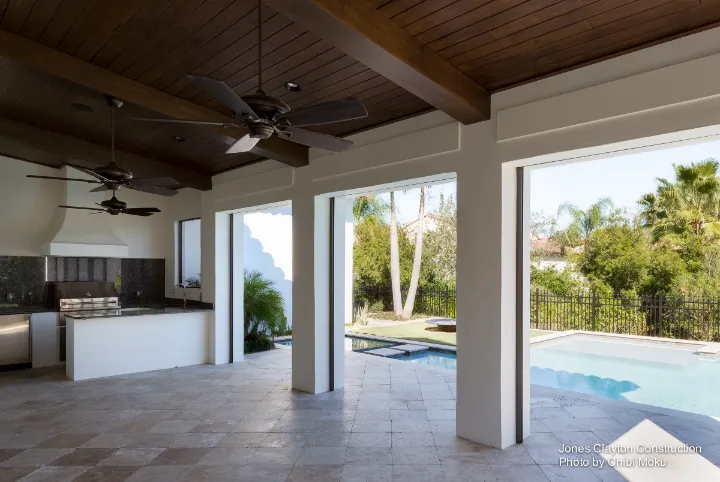
Jones Clayton Construction has built custom homes in Central Florida’s most demanding neighborhoods for decades, and their work inside Walt Disney Golden Oak reflects that same long-term, process-driven approach. The project is framed less as a single house and more as an ecosystem of skilled trades, planning discipline, and leadership coordination. Founder Rial Jones grounds the company’s history in longevity and consistency: “I started selling real estate in 1980… built the first Jones Clayton house in 1984,” establishing the timeline behind a builder that has matured alongside the region’s luxury residential market.
What stands out most in this story is the builder’s emphasis on people and craftsmanship culture. Rial points directly to the core of the brand: “it goes back to the guys that work for us and the pride that we take in each and every one of these houses.” Several team members echo the same theme, describing an unusually stable crew and trusted relationships built over time. “There’s a number of people that have been around for thirty years,” and that continuity creates a jobsite rhythm where each trade understands expectations before a word is spoken. The result is a highly coordinated environment where the goal is not just finishing a home, but finishing it to a level that represents everyone involved.
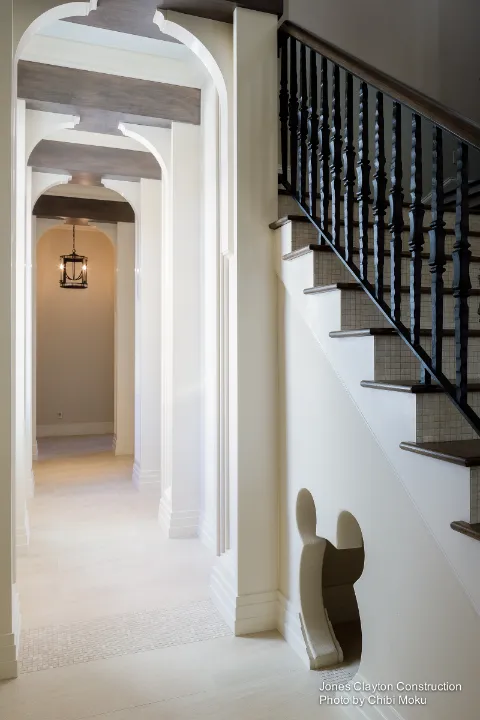
The Golden Oak setting demands strict standards, and planning becomes a form of design support rather than paperwork. One of the trades explains that the rules are real, but purposeful: “they do have strict rules but everything is like that for a reason.” The discipline is in the early layout and rough-in stage, so that later phases stay clean: “we go with the set of plans and lay everything out so everything is perfect at rough-in stage so at trim stage we’re not having to change things.” In high-end construction, that is not just efficiency, it’s quality control. Trim and finish rely on precision upstream, and Golden Oak’s expectations make that non-negotiable.
Leadership is repeatedly described as the glue holding the process together. Builders and trades highlight Rial’s hands-on direction, and his ability to keep jobs moving when reality departs from drawings. “Reality is not always what you had thought in drawings,” one person notes, and Rial is praised as “maybe the best at moving that thing in the right direction.” Others describe the leadership style as direct but empowering: “he gives some guidance but he gets out of their way, lets them do their thing,” and the internal structure is reinforced through key team members: “he’s got a good leadership with John and Chris.”
The project also demonstrates how collaboration with architects and regular trade partners becomes a competitive advantage at this level. The group speaks openly about relationships built with designers and long-term collaborators, including enthusiasm for creative architects: “he loves to see creativity,” and “Dan is one of the most talented architects that we’ve ever worked with.” Over time, that repeat-team structure creates a kind of shared construction language, where “they know what to expect… a lot of times things happen… without even discussion.” In the end, the story of Jones Clayton at Golden Oak is about consistency, trust, and a deeply practiced process, the kind of building culture where “you can walk through… outside and inside… and you’ll see some differences.”