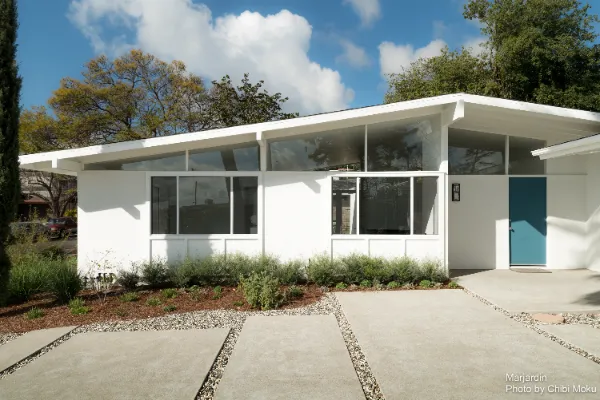
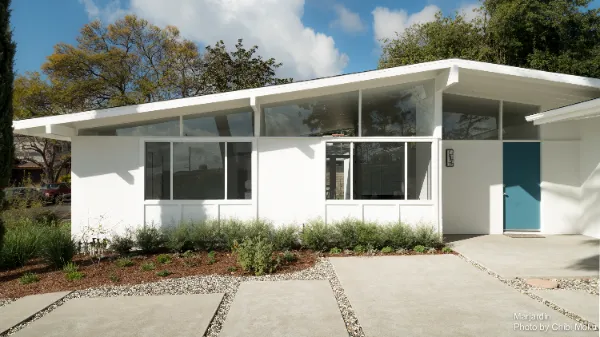
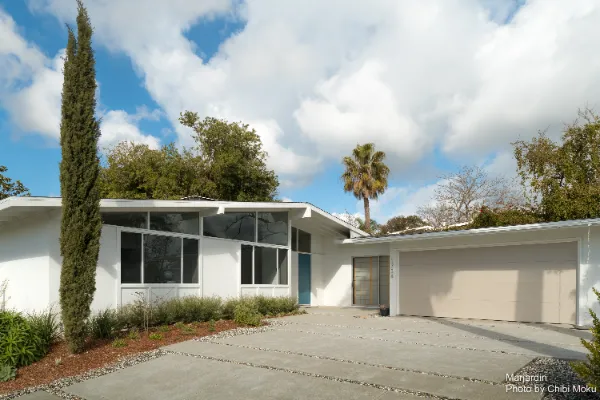
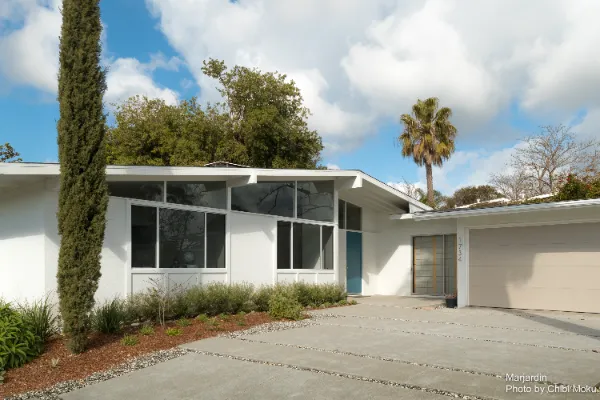
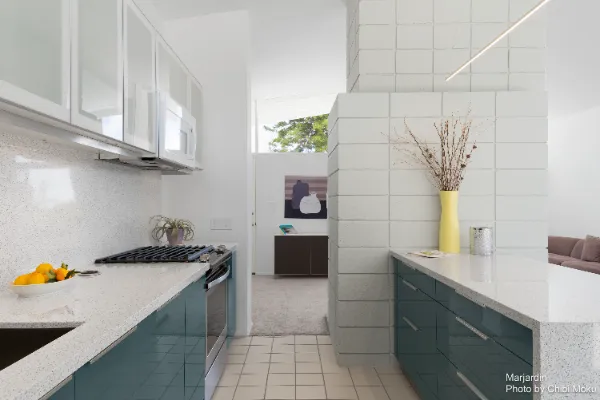
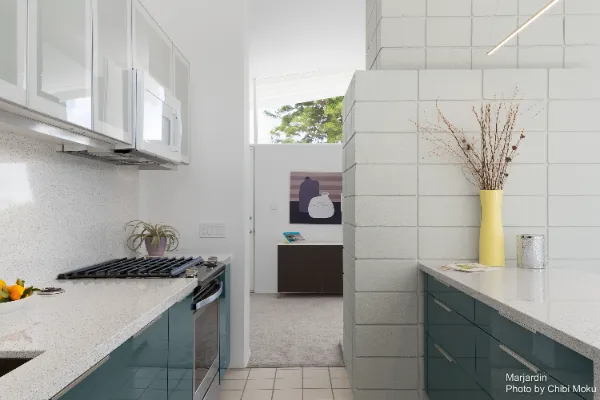
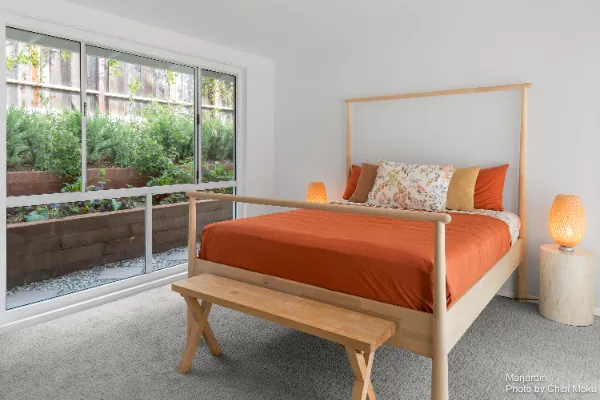
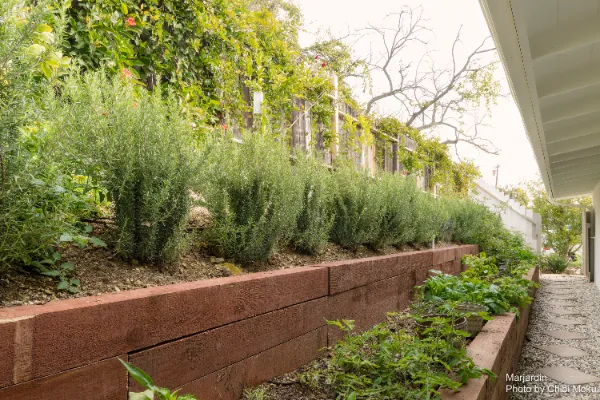
This 1950s mid-century modern home is a reminder of why the era continues to influence California residential design today. Landscape designer Marlene Breene, with the help of friends and family, remodeled and revived a home originally designed by architect Edward Fickett, whose work shaped entire neighborhoods across Southern California. As one voice in the film describes it, “this type of house is like the seed of this whole modern movement,” and the surrounding neighborhood is “a throwback to that 50s era.” Fickett’s name does not always get the public spotlight of other mid-century figures, yet the impact of his work is enormous. After researching him, the speaker notes that Fickett is “an unsung hero,” credited with developing “60,000 homes in Southern California.”
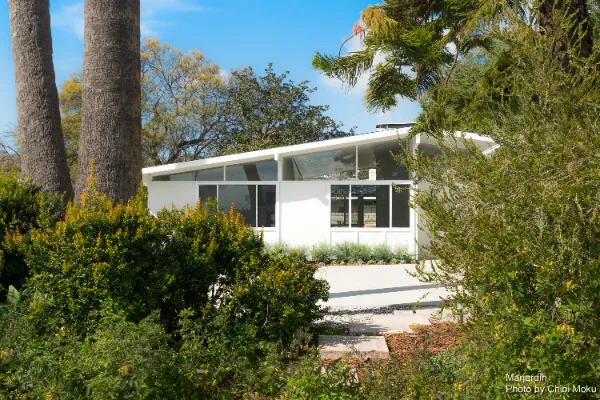
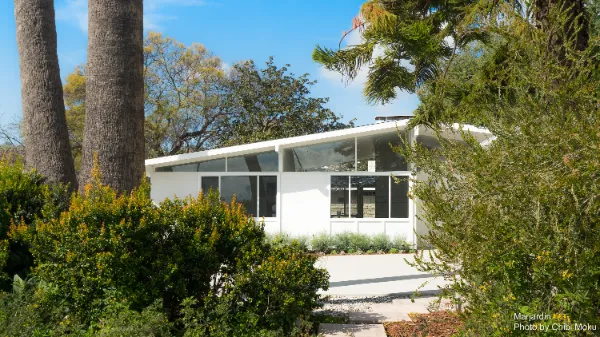
The project begins with a familiar story in mid-century preservation: the bones were right, but the home had drifted from its original intent. Approaching from the rear, Marlene describes seeing “all these bushes, these big bushes,” with “this little house hiding in behind there.” It was not ruined, but it was no longer itself, and she sensed it “wanted to be itself” again. Her approach was not to over-design, but to clear away the noise, letting the architecture return to its essential form. Walking through the home with her made the direction obvious, as the film notes: it allowed them to “get all of the clutter out and get back to the core root of what this house was supposed to feel like.”
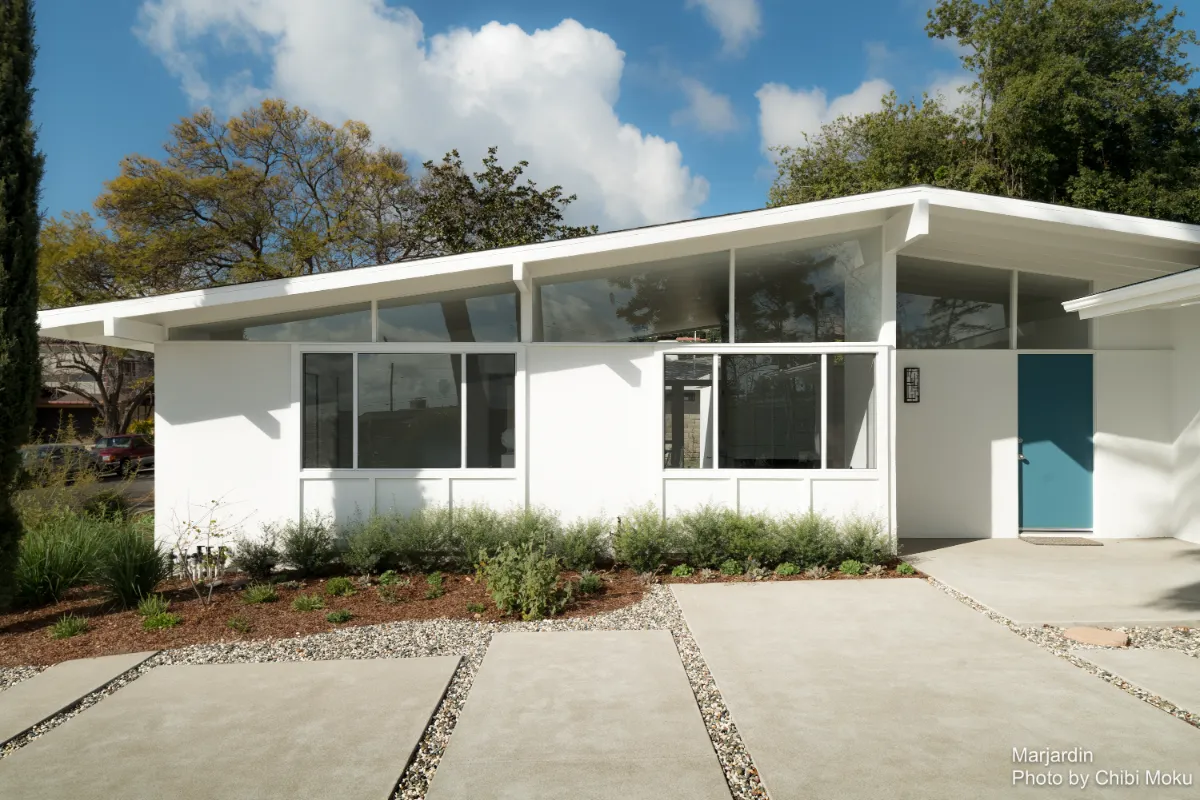
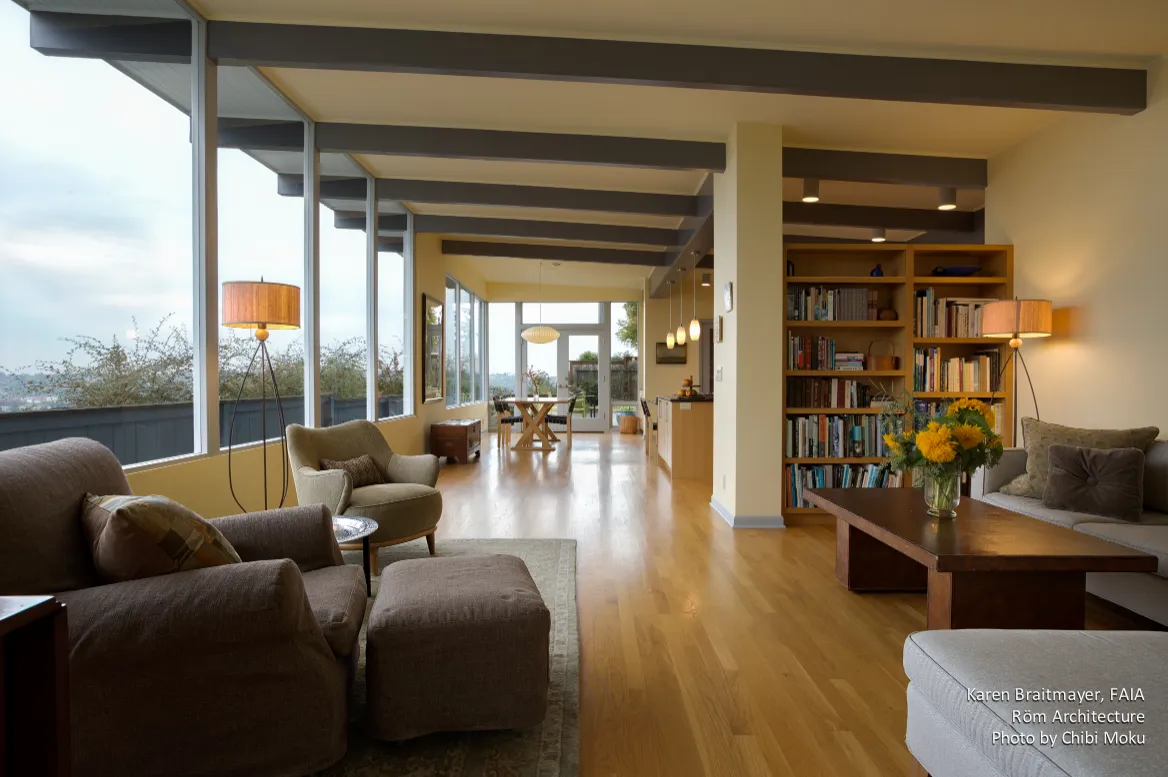
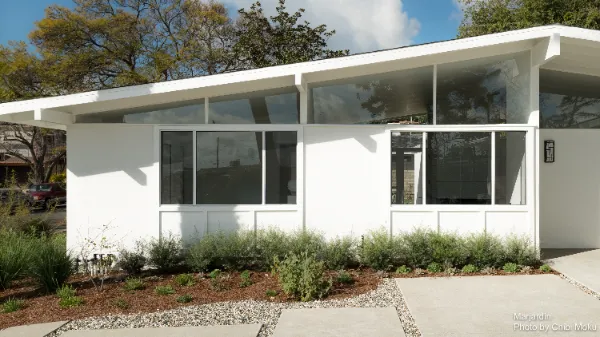
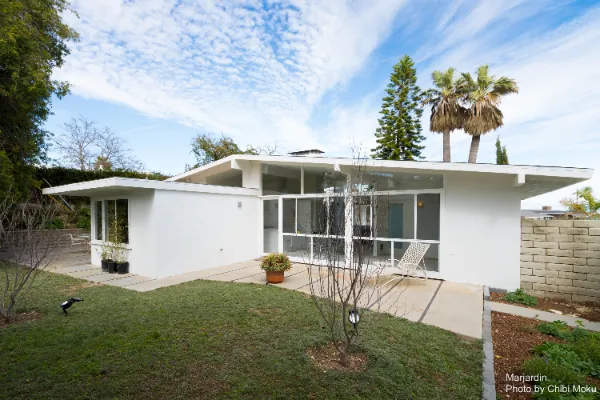
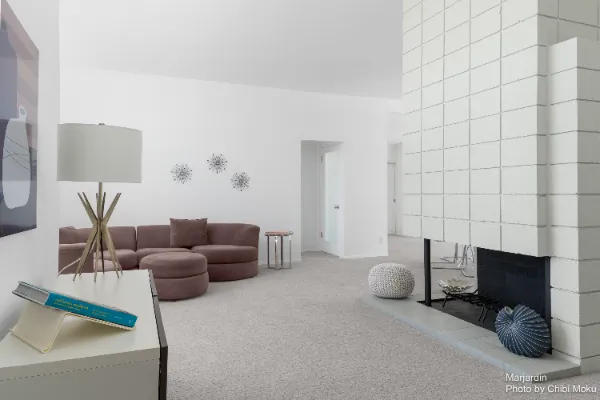
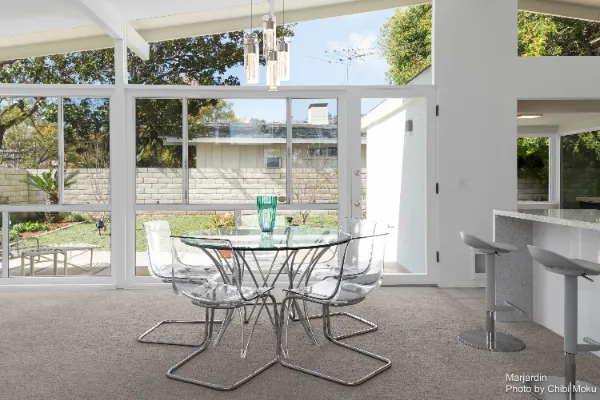
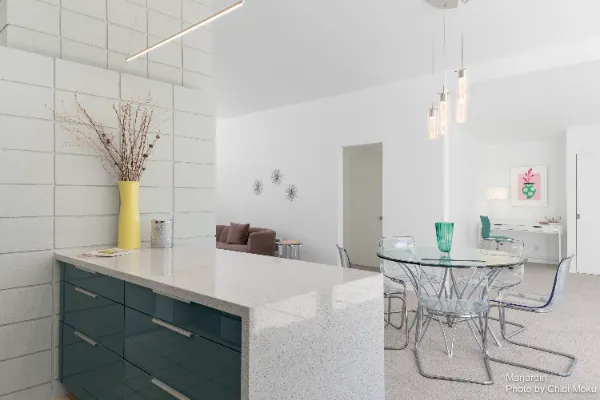
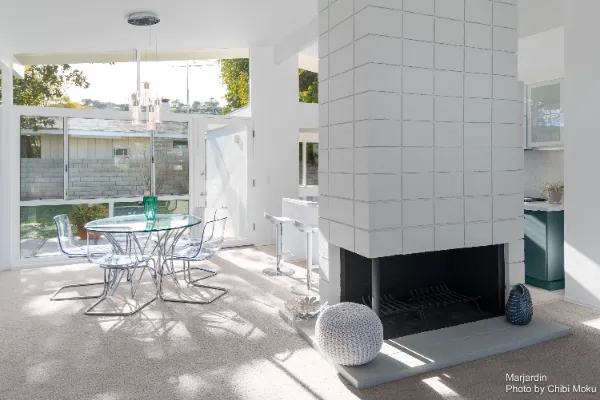
From a design standpoint, the hero of the remodel is light, and the architecture’s ability to shape it throughout the day. The home’s character is rooted in transparency and openness, with Marlene calling attention to what matters most: “it’s the glass, it’s all the glass, because it brings the outside inside.” That choice produces what mid-century modern homes do best, making interior space feel larger and lighter without adding square footage. The living room remains anchored by the “iconic fireplace,” while the rest of the space opens out to the yard through a wall of windows. As the sun lowers, “the light comes filtered through those trees into the home,” filling the space in a way that feels dynamic rather than static.
The film also highlights a sophisticated daylight strategy that many people feel before they understand it: the home’s orientation and clerestory windows create shifting atmospheres across morning and evening. “The sun and the moon… start on one side of the house and it moves around,” and those high clerestory openings bring in “the morning in the front” and “the evening in the back.” The result is a house that changes color temperature as the day progresses, moving from “cooler morning light” to warm late afternoon tones, even reaching “a coral color” near sunset. It is exactly the kind of lived lighting experience that makes mid-century homes feel emotionally calming, and the film nails that point directly: people may not know it cognitively, “but it is how they feel,” and natural light “makes you feel relaxed.”
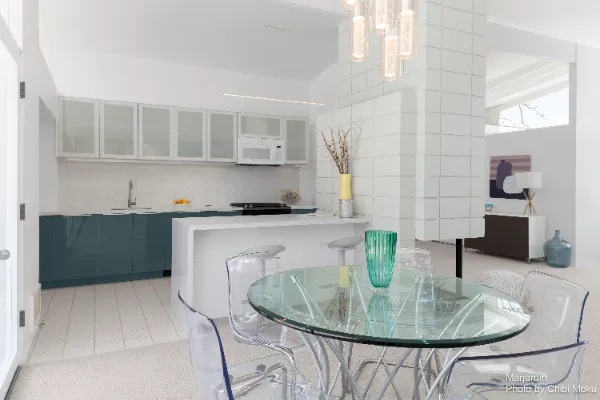
At roughly 1,600 square feet, the home demonstrates the timeless mid-century concept of living larger than the plan suggests. As Marlene says, it “lives like 2,000 because it allows the outside to come in.” With a thriving garden, distinct bedroom moods, and a renewed clarity in its architectural language, this remodel honors what Fickett was already doing in the 1950s while proving how well those ideas still serve modern life today. The admiration becomes personal, with one reflection imagining Fickett seeing the evolution of his concepts: “I think he would be really jazzed… how his ideas from like the 50s have evolved.”