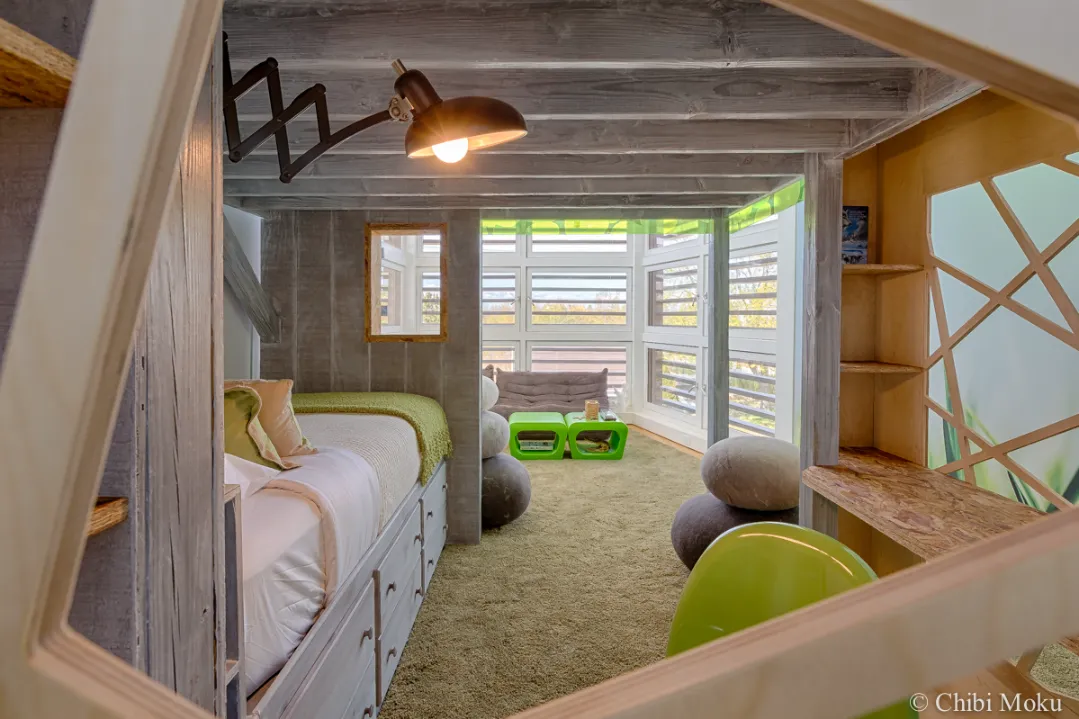
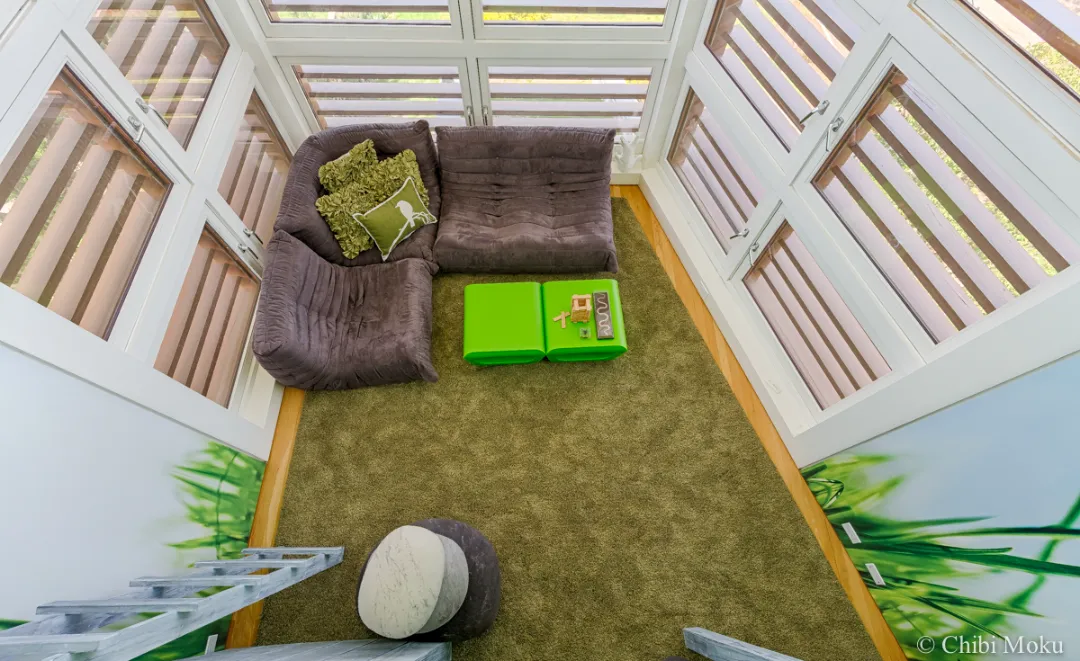
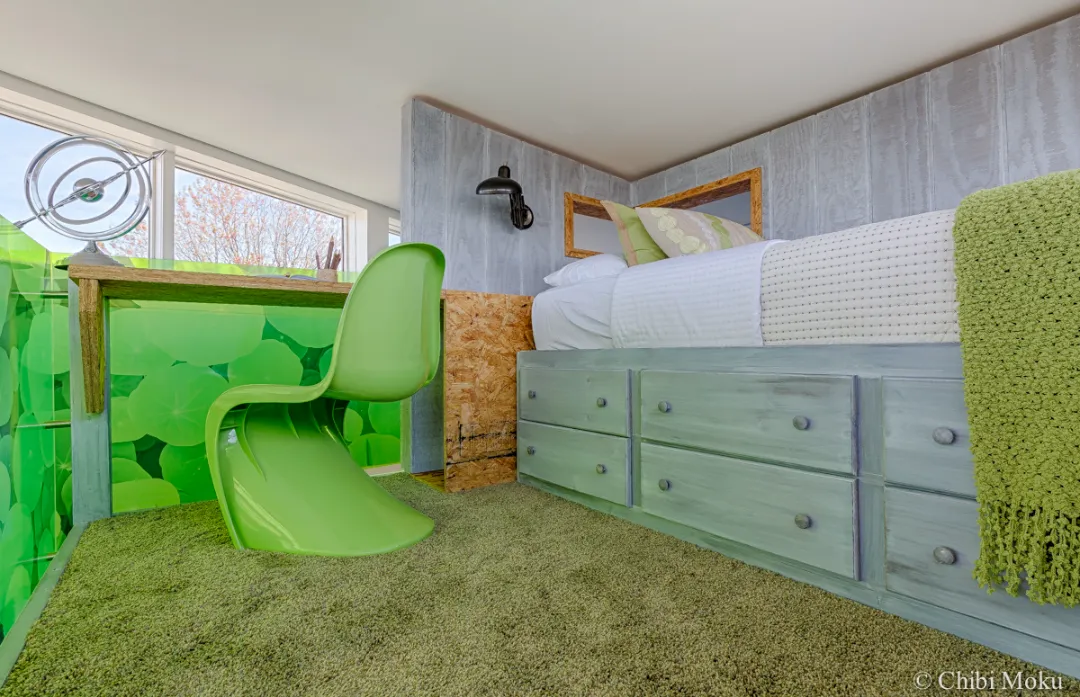
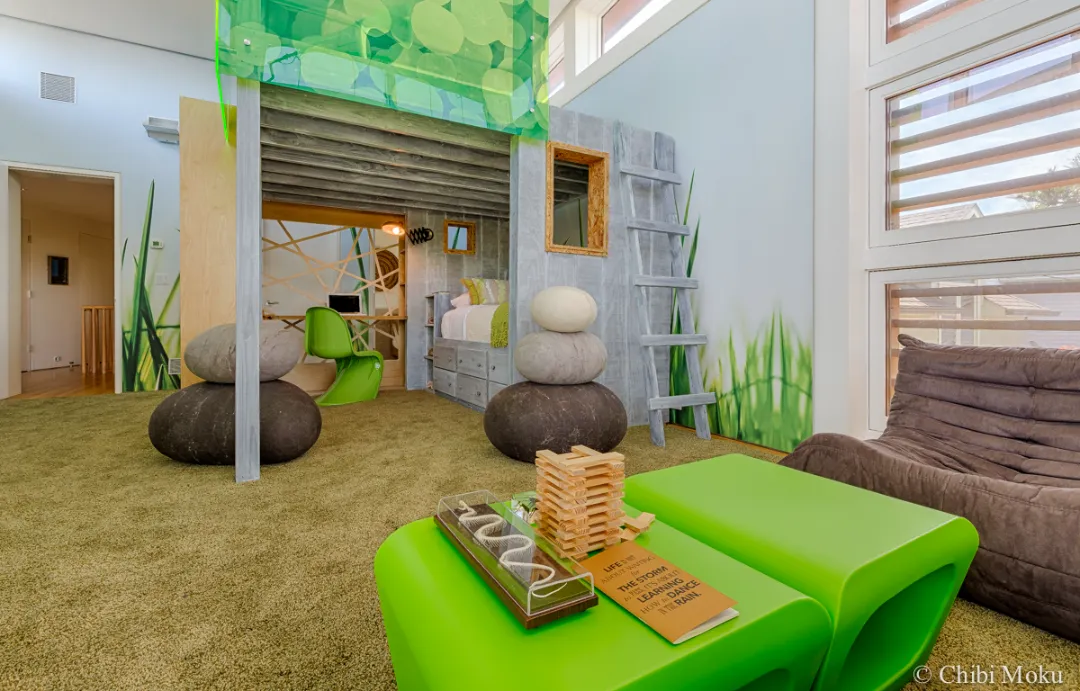
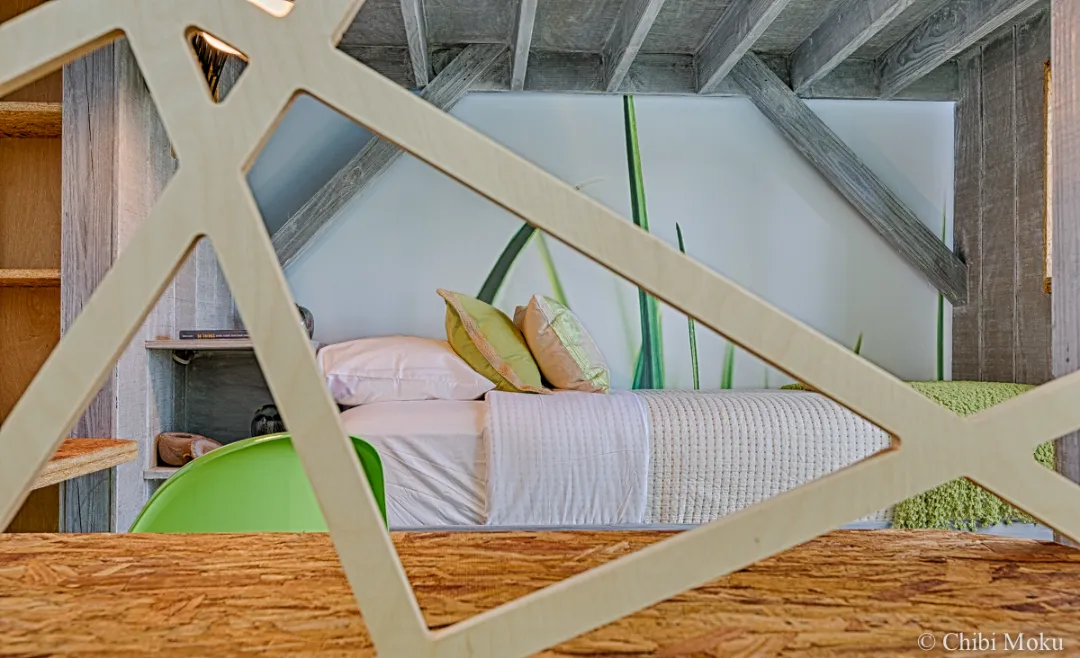
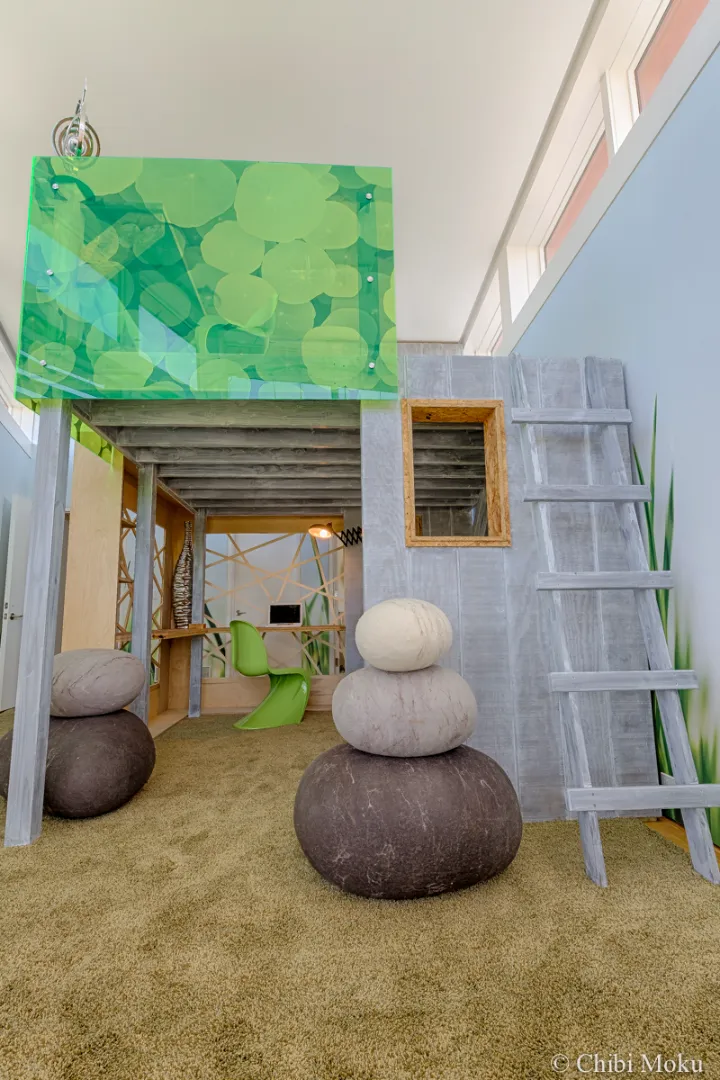
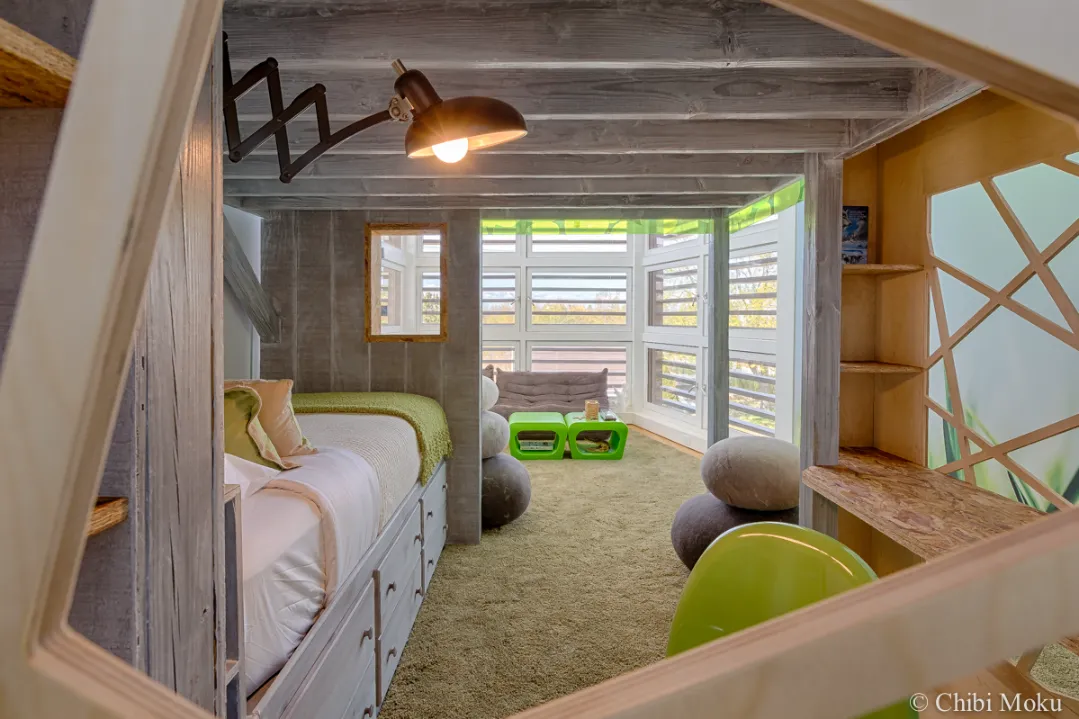
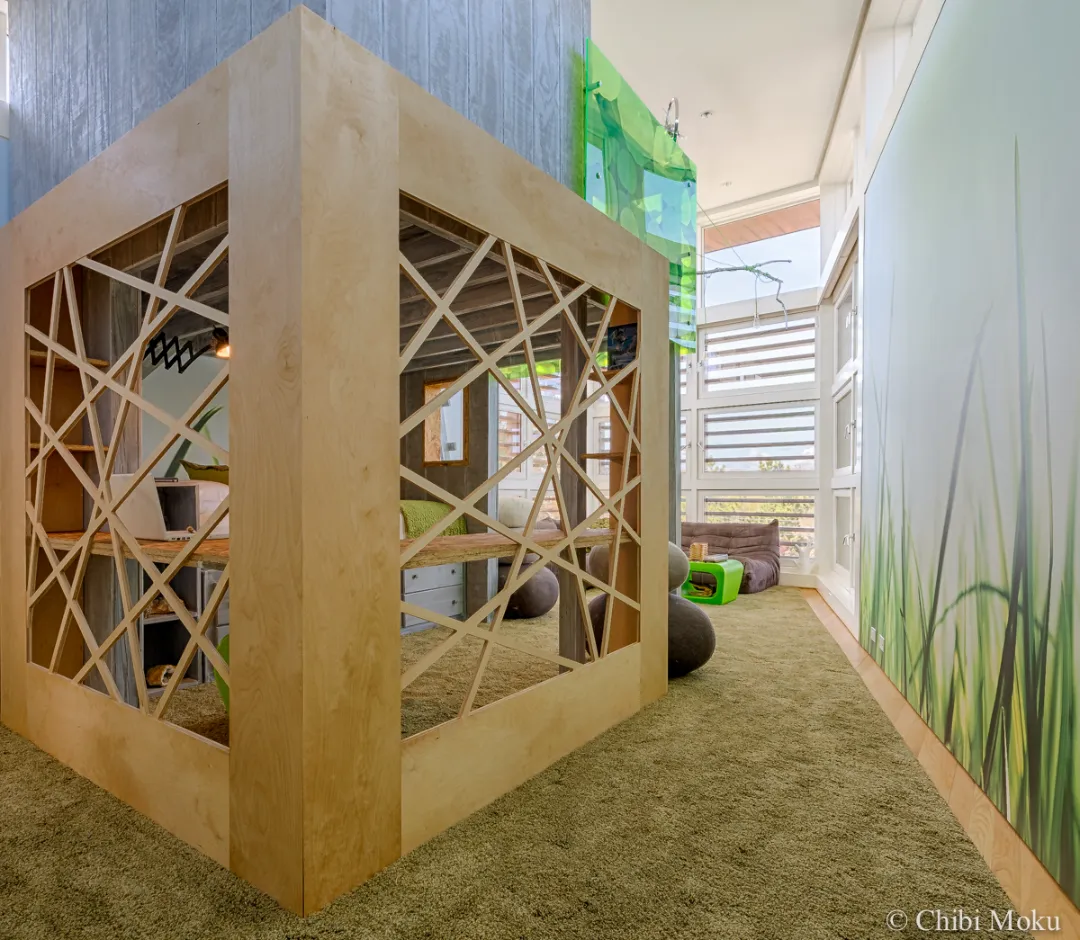
“The Tree House” by Piccistudio is a children’s interior design project that treats a bedroom not as decoration, but as an environment that can actively shape how kids feel, think, and grow. Designed by Jenna Piccirillo, the space was created for two brothers, ages 10 and 8, who had just moved into their new home. The central design challenge was architectural in nature: one shared room needed to become two distinct personal zones, giving each child a sense of separation and privacy without losing the playfulness of a shared childhood space. As Jenna describes it, she “had to find a way to divide the room into two so the boys could have two separate compartments… to have some privacy.”
A key part of what makes this project special is the process, which directly influenced the design outcome. The boys were not treated as passive “end users.” Their father insisted they be included, so Jenna held a formal meeting with them at the kitchen table, each boy arriving with a list of what they loved: “pets… science… they’re really smart kids.” This approach created a design brief rooted in personality rather than trends. It also highlights a bigger point in interior design: when the user is a child, the project succeeds best when the room is built around identity, not just aesthetics.
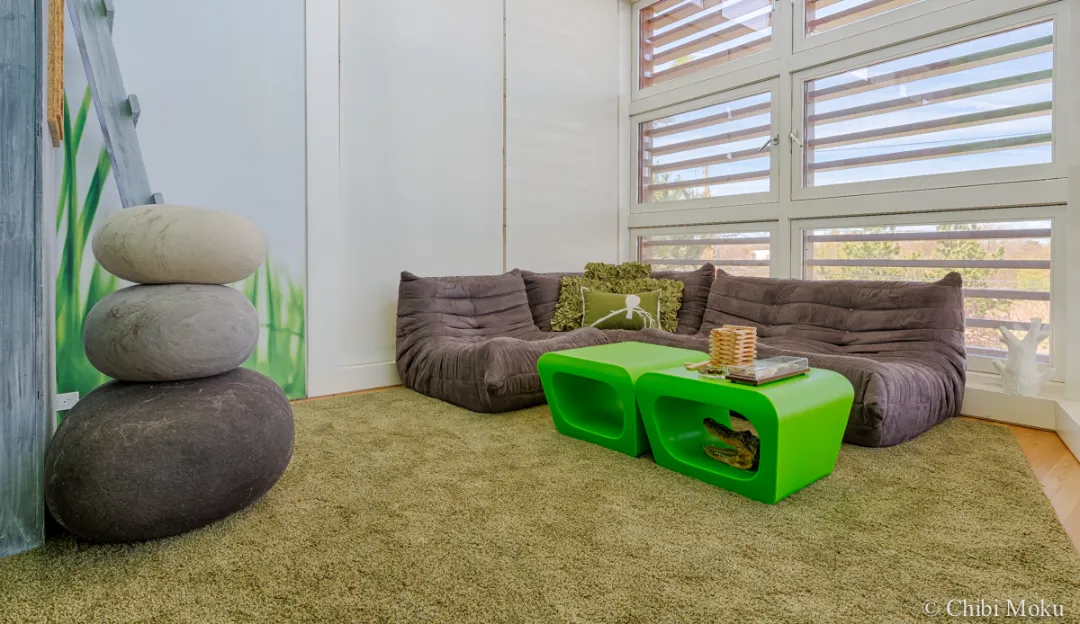
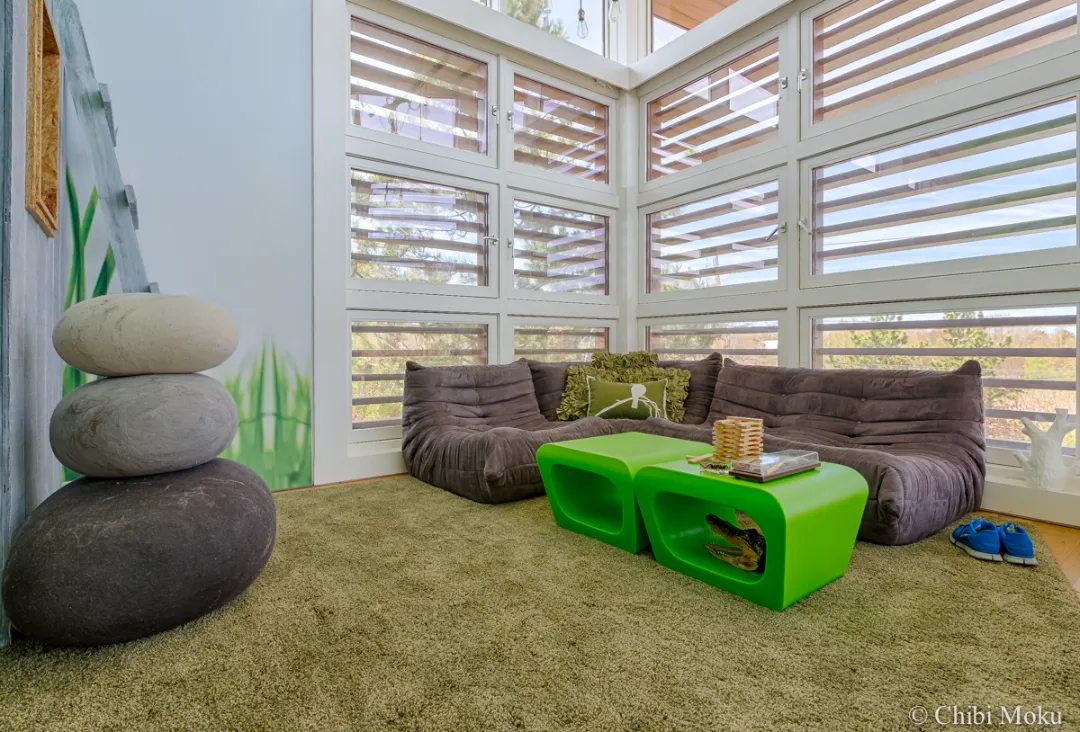
From that collaboration emerged the project’s guiding concept: a nature-immersive environment that makes the kids feel like they are inside their own outdoor world. Jenna explains the mindset behind it, thinking about the way kids play in nature, “laying down in the grass… and you’re looking and this is what you’d see,” and using that as a framework for the room’s visual language. The result is a set of interior elements that mimic natural forms and textures, like oversized “rock” pillows that resemble stones you’d find “in a yard or by the beach.” This approach transforms the space into something closer to a habitat than a typical bedroom.
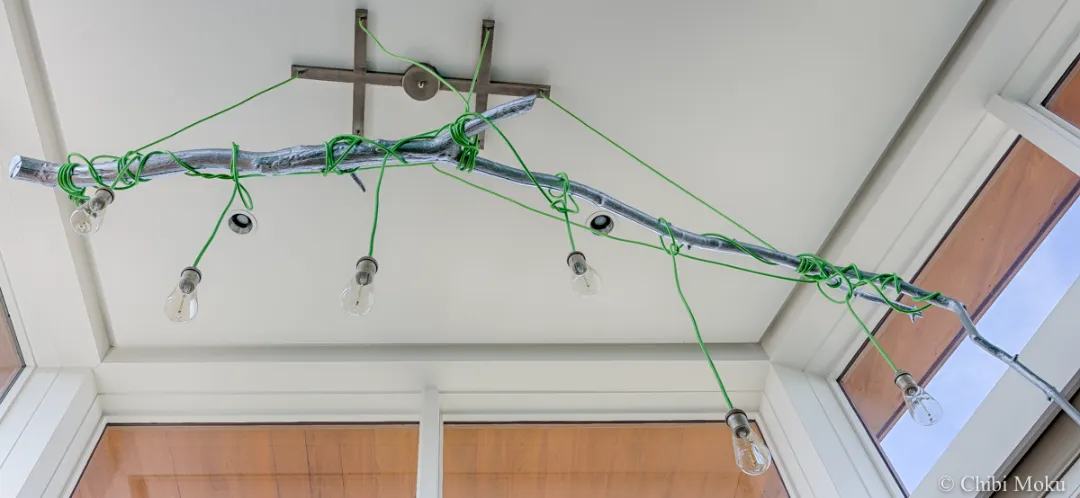
What elevates “The Tree House” beyond theme design is that the materials and lighting are intentionally mind-provoking, meant to stimulate curiosity and imagination. One of the most memorable custom features is a chandelier inspired by the boys’ pet snake, designed to “resemble… snakes intertwined around a tree branch.” Jenna emphasizes that she wanted the room to function psychologically as well as visually, incorporating elements that make children wonder how things work: “materials that are mind provoking… to keep the kids thinking… it’s thought-provoking.” In that sense, this project becomes a strong example of how interior design can quietly shape behavior, creativity, and comfort over time, with details that “sink into their psyche” even before they realize it.