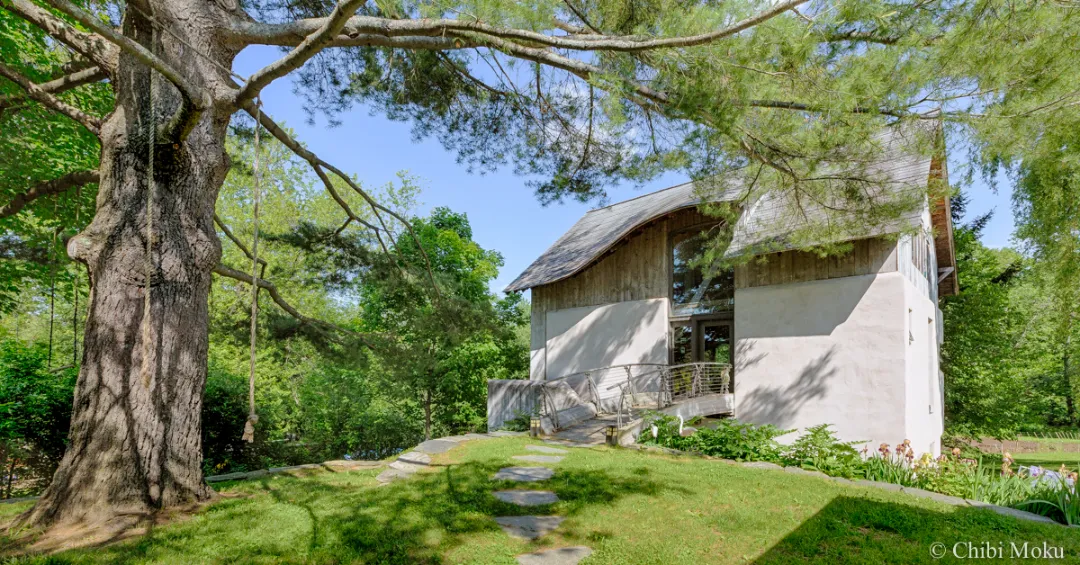
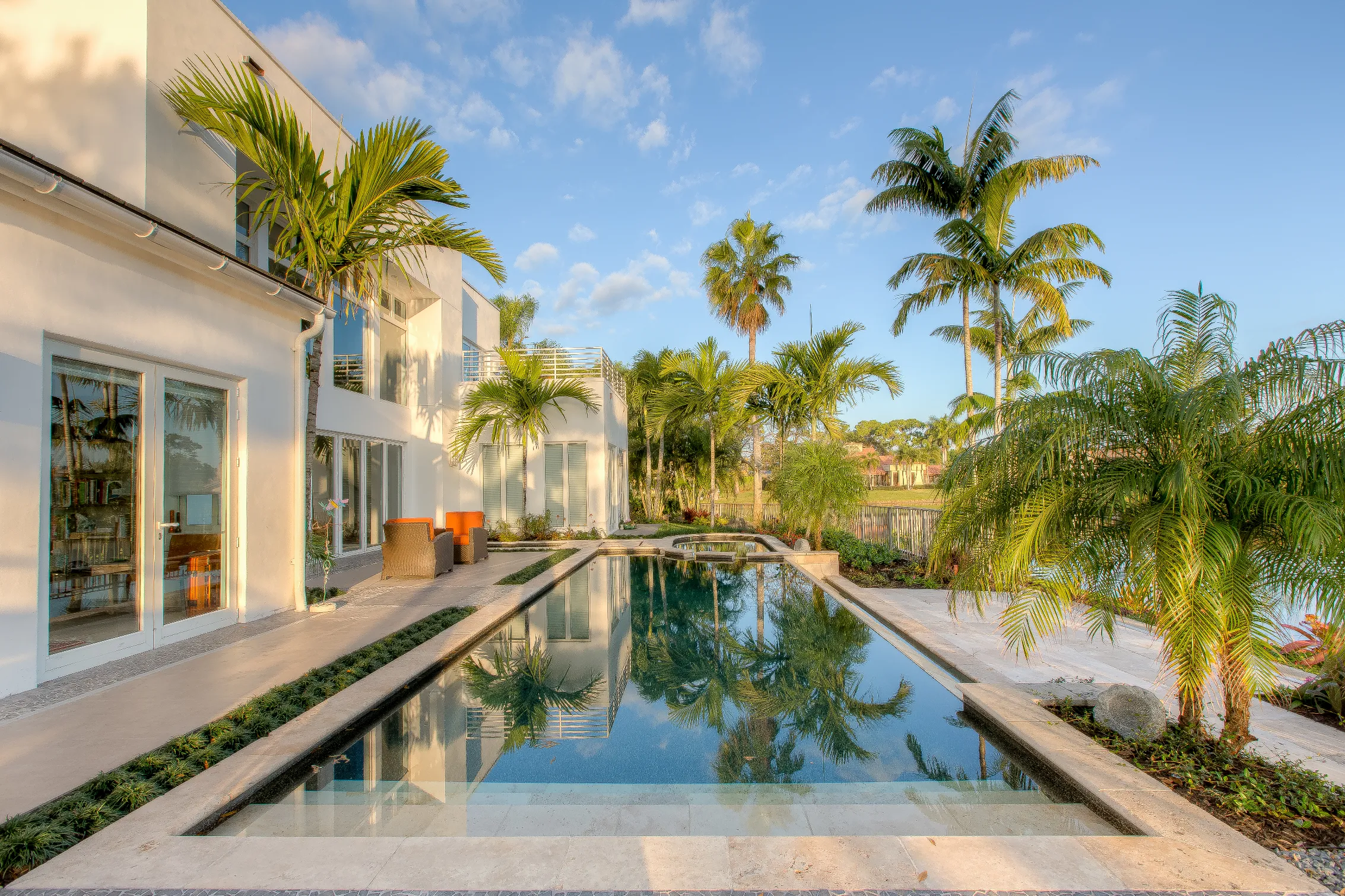
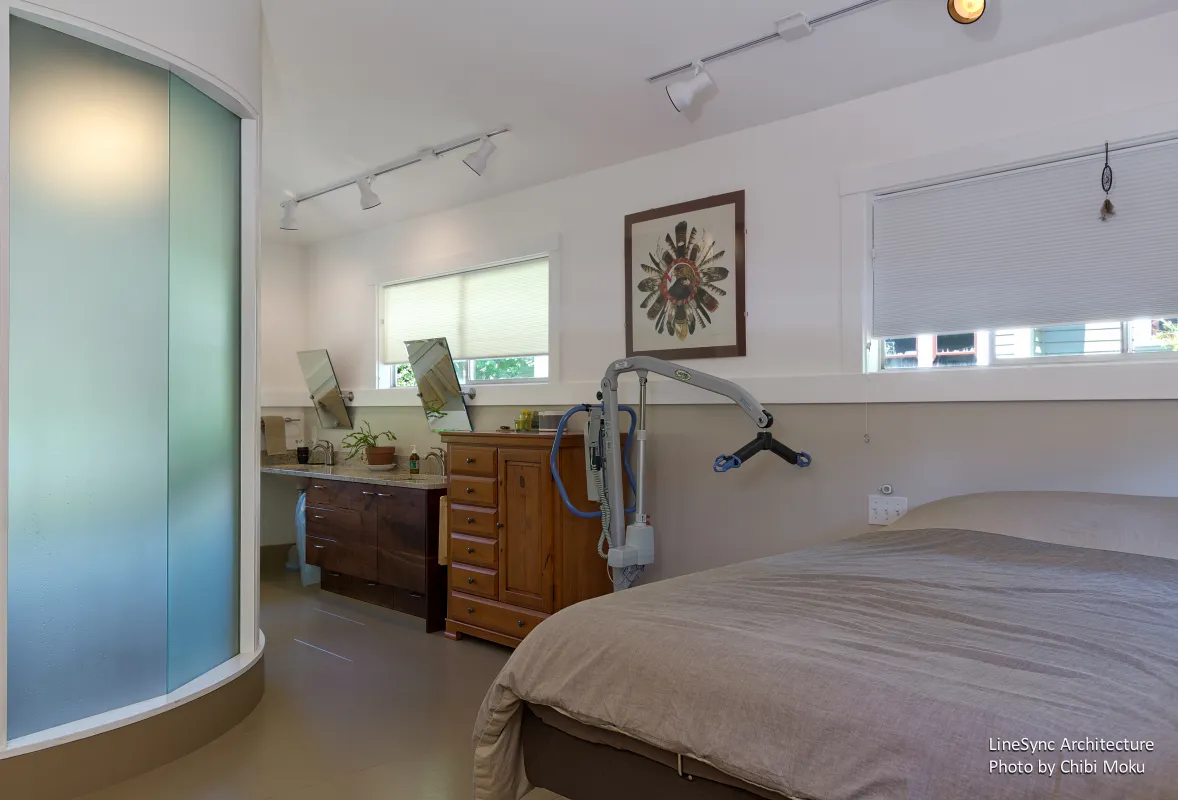
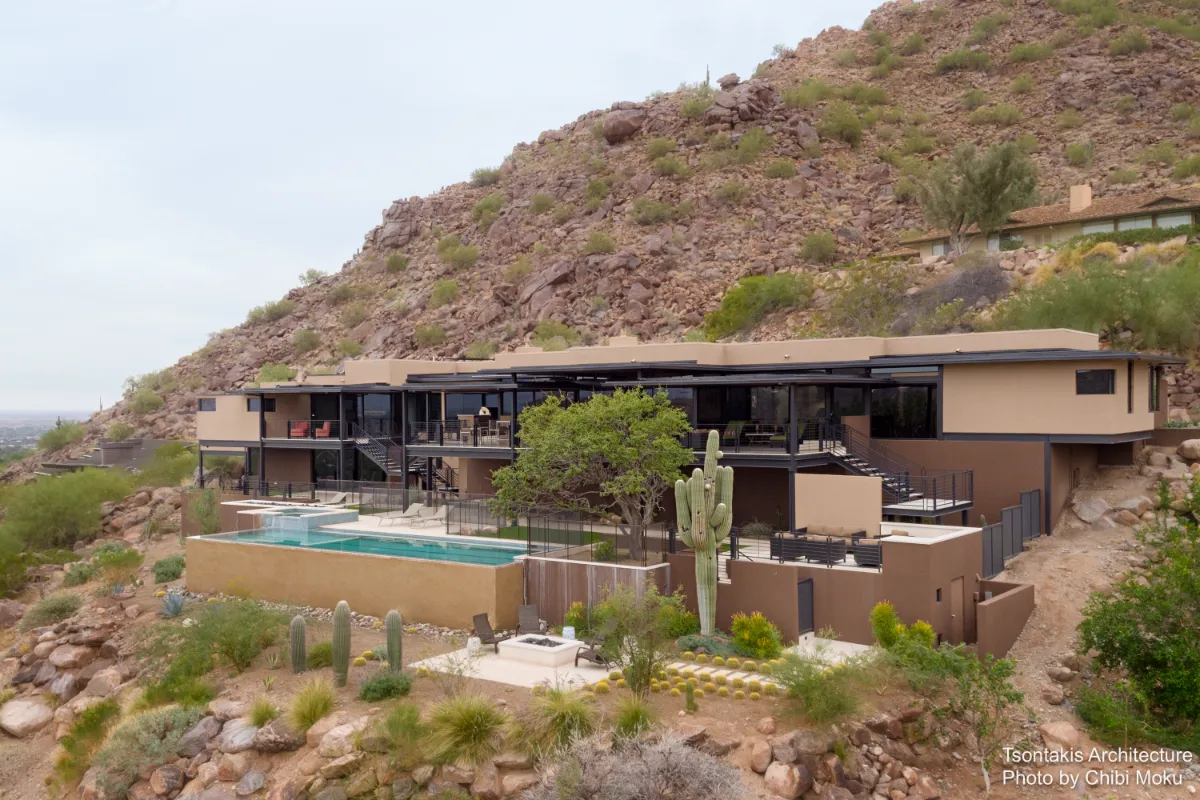
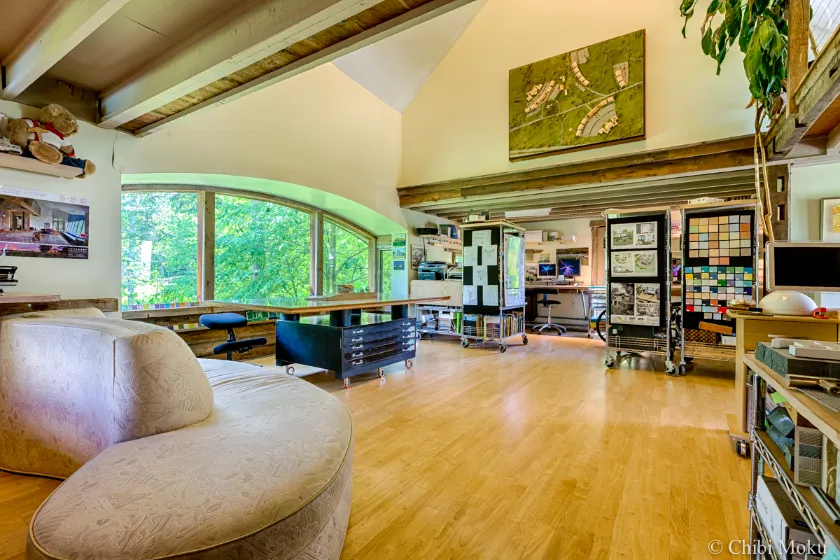
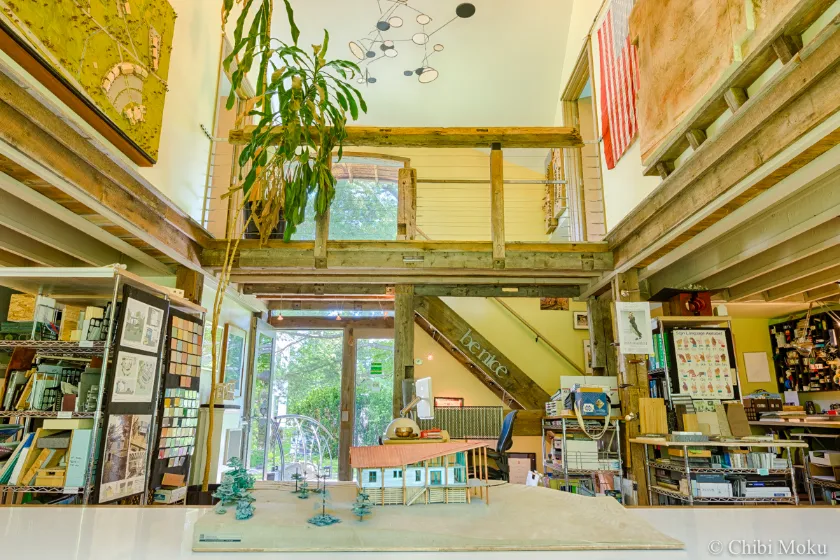
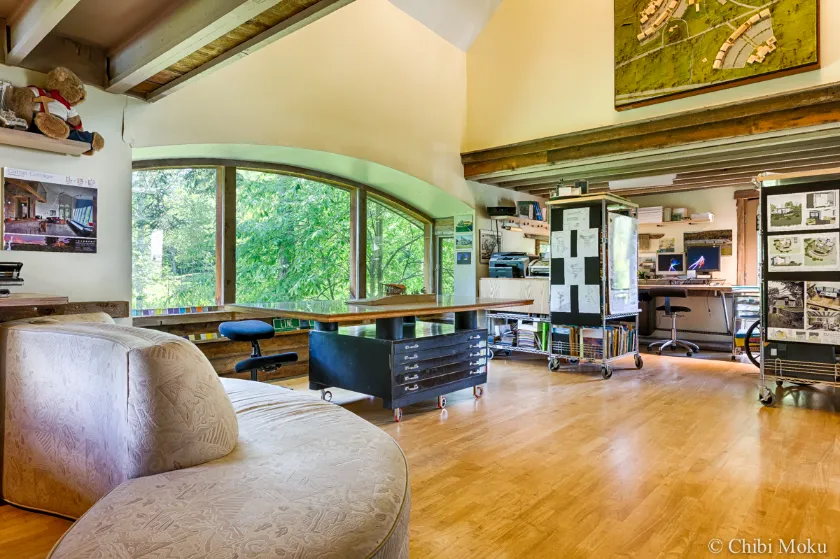
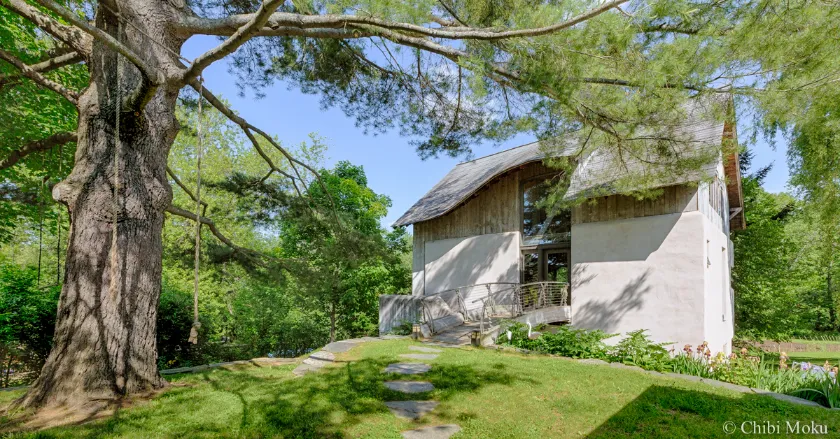
LineSync Architecture in Wilmington, Vermont is a small-town architecture studio with a surprisingly expansive design culture. Founded in 1988 by Joseph Cincotta and Julie Lineberger, the firm grew from a one-room home office in nearby Whitingham into a collaborative practice with a full team and a philosophy rooted in “Art in Everyday Life.” What stands out immediately is how strongly their work environment mirrors the way they approach design: creative, people-centered, and grounded in the rhythms of Vermont life. As one team member puts it, “the best thing about working at LineSync is probably the fact that you feel like you’re within a family.”
That sense of community is not just office branding, it becomes a tool that shapes design outcomes. The studio prioritizes quality of life alongside technical quality, and the staff’s ability to recharge outdoors becomes part of how they stay sharp and inventive. “We need that fresh air… we need that adrenaline rush… we need that exertion to sort of keep our minds sharp,” one designer explains, describing hikes, runs, and midweek ski days as part of the firm’s cadence. In architecture, creativity is rarely separated from mental energy and attention, and LineSync treats that connection as a real part of their process rather than an afterthought.
A major thread in this project is LineSync’s structured collaboration methodology, especially their “white table process,” where ideas are developed in front of the client in real time. In their words, it is a setting where “ideas… cross-pollinate and they grow from that process,” allowing the client to see design thinking live and participate actively. The design rules are intentionally simple and freeing: “there’s no such thing as a bad idea,” and “stealing is encouraged.” That playful phrasing reflects something serious: a belief that good architecture comes from testing many small ideas, because “the smallest little idea can end up being the generating concept for the whole entire project.”
After these collaborative sessions, LineSync moves into synthesis: turning the client’s preferences, constraints, and aspirations into a coherent design proposal. They describe it as “taking the desires and integrating them in one holistic design concept,” with the goal of creating work that is “proportionally correct, green and sustainable, and within their budget.” From there, Joseph Cincotta and the team lean heavily on 3D modeling not as presentation theater, but as a design reality check. Their designers model directly in front of clients, using visualization to bridge the gap between concept and built form. The philosophy is straightforward and refreshingly unpretentious: “If it looks good, it is good.”