Athol Public Library in Athol, Massachusetts is one of those rare projects where preservation, civic pride, and serious building science all end up in the same room. Originally opened in 1918 as a Carnegie library in a simplified Classical Revival style, the building has long served as a downtown anchor, surrounded by other civic institutions. In the film, the town is described as a quintessential New England mill town shaped by the Millers River, and the library is framed not just as a place for books, but as a place for meetings, lectures, and community life “that’s not judgmental… open… and welcoming.”
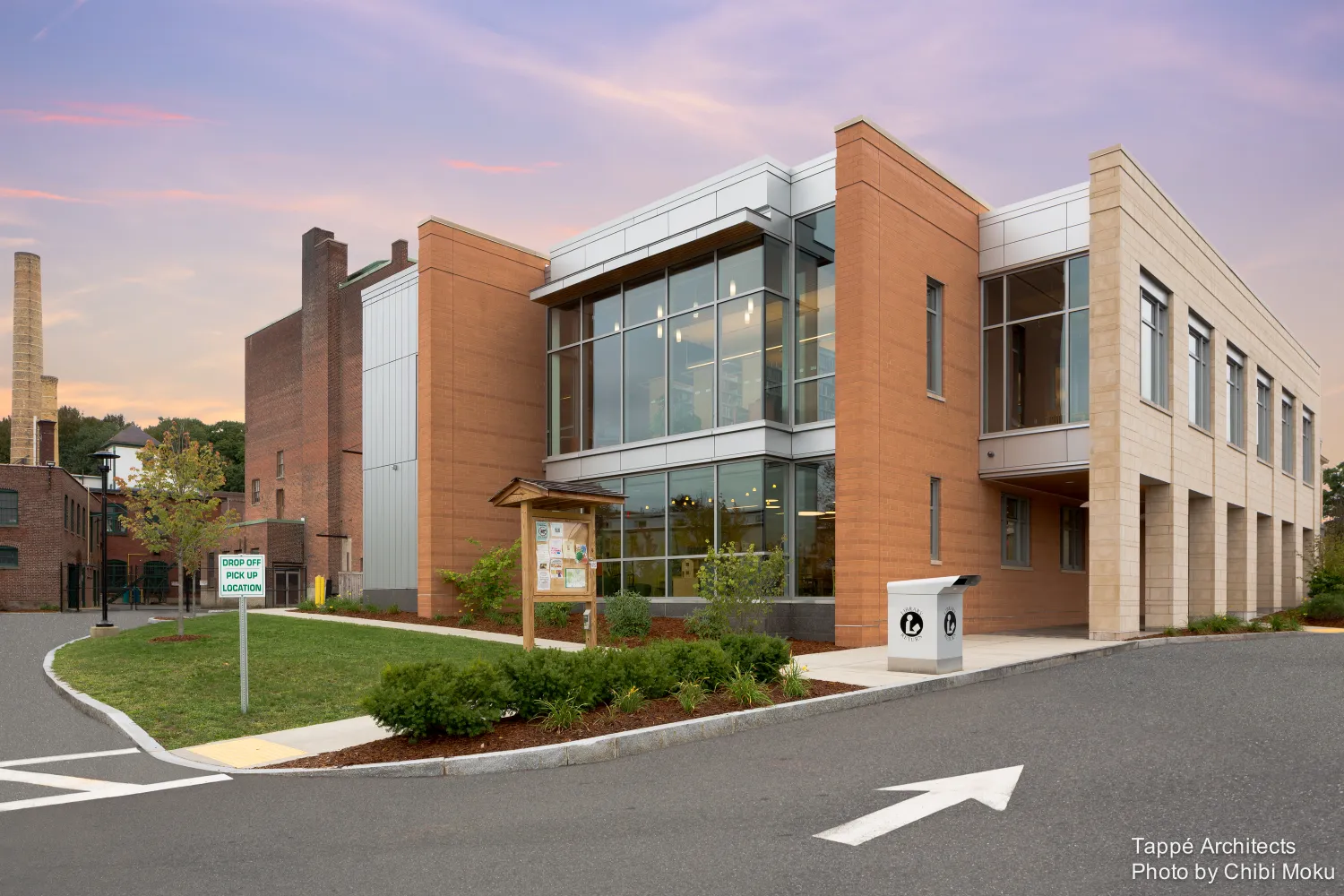
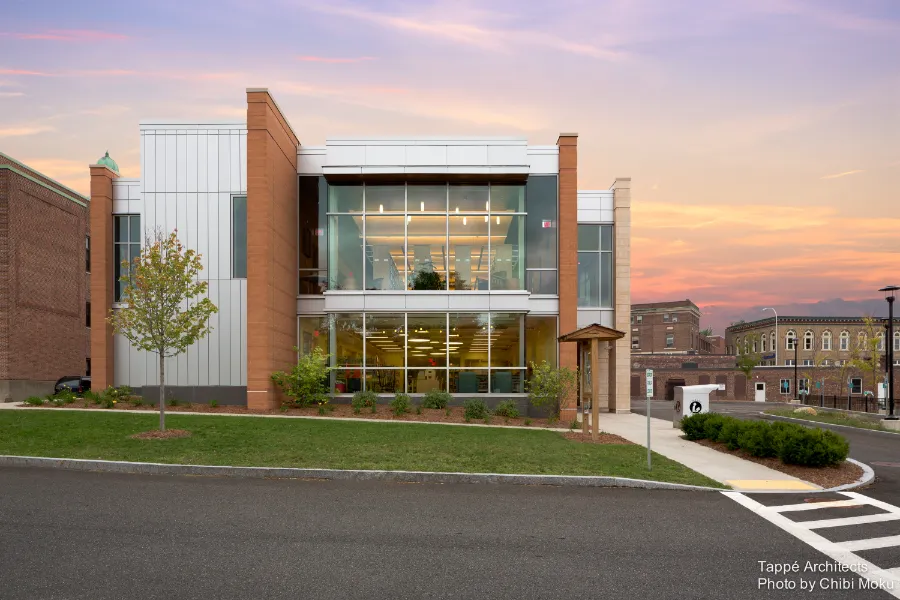
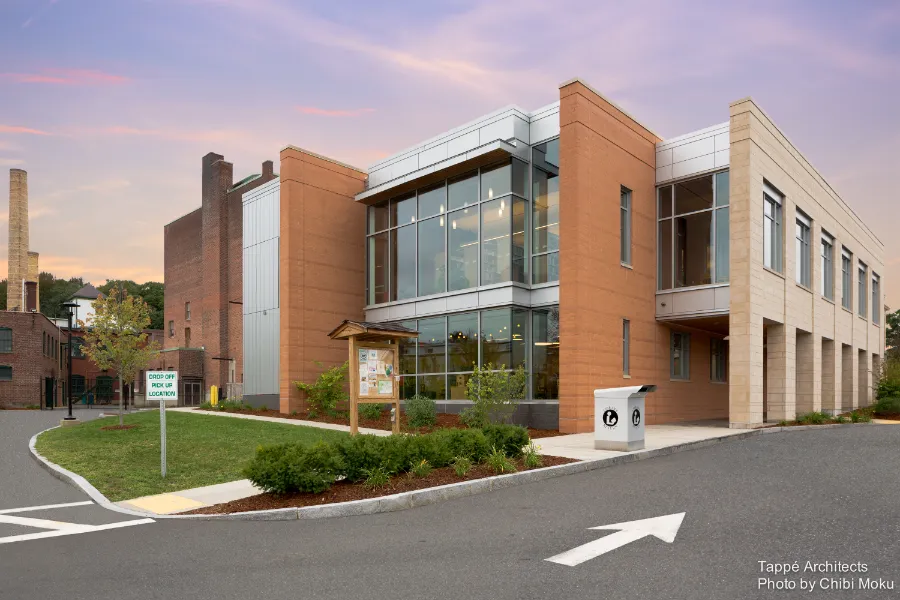
The renovation by Tappé Architects is notable because it became the first LEED Platinum certified renovation of a historic Carnegie Library, which is a huge bar to clear for any adaptive reuse, especially one that needed to respect a historic masonry structure. The design approach treated the original Carnegie building as a durable resource to be restored, while adding a new wing that does not imitate the old architecture but “resonates” with it. The expansion was dramatic, growing the library from roughly 7,000 square feet to over 20,000, and required careful early planning around waste, energy modeling, and material choices.
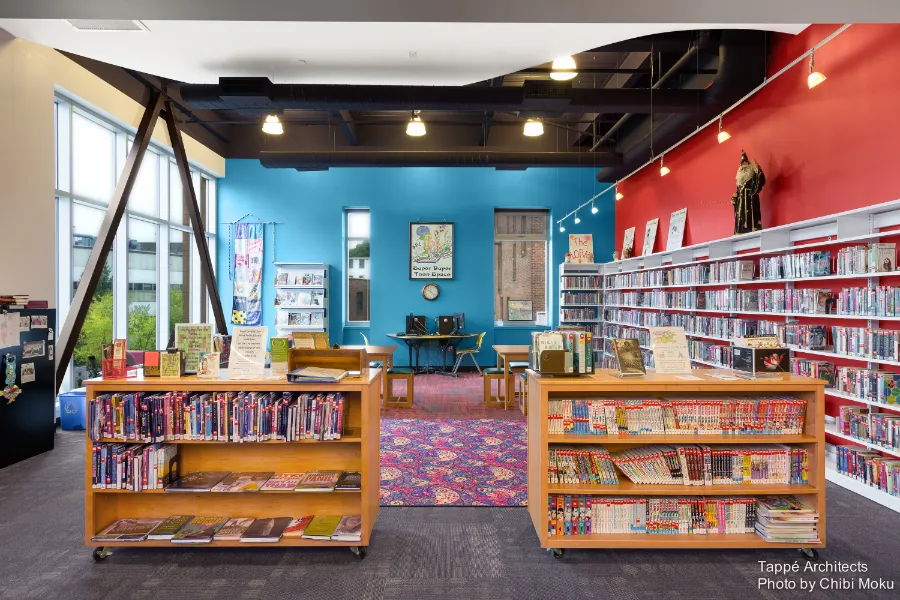
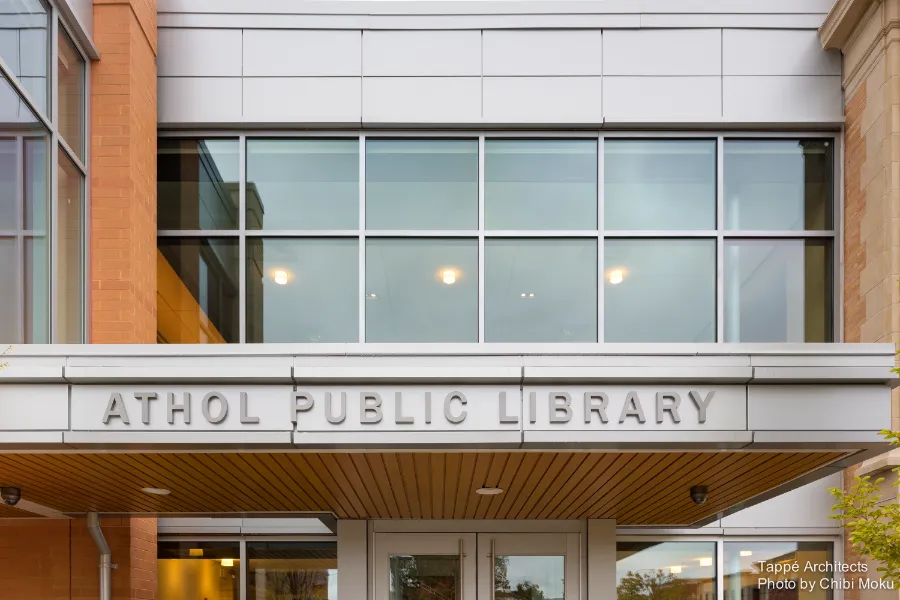
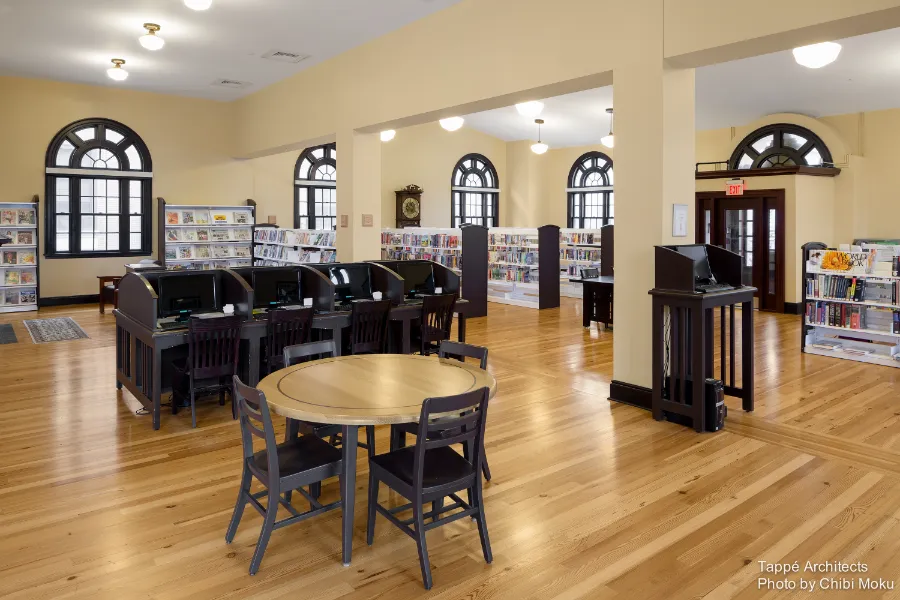
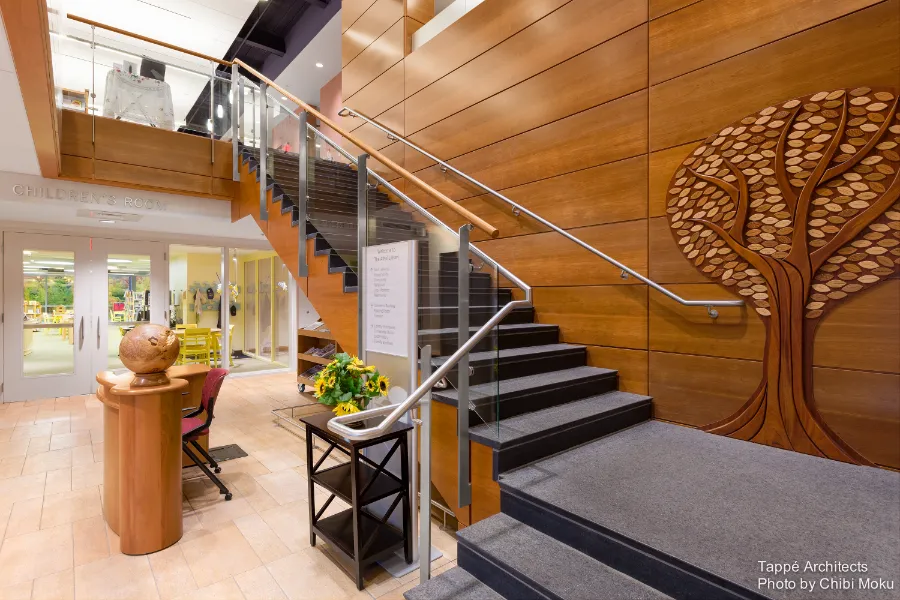
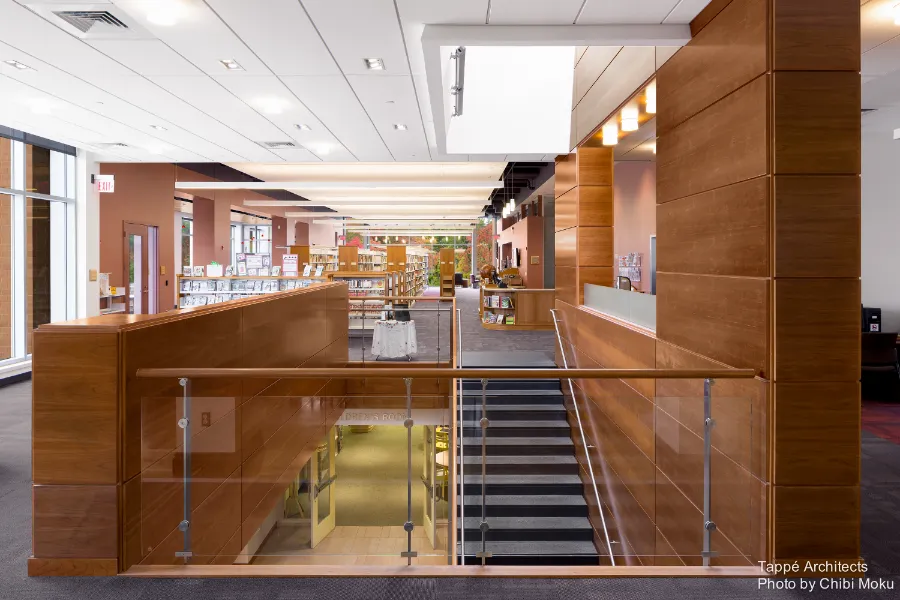
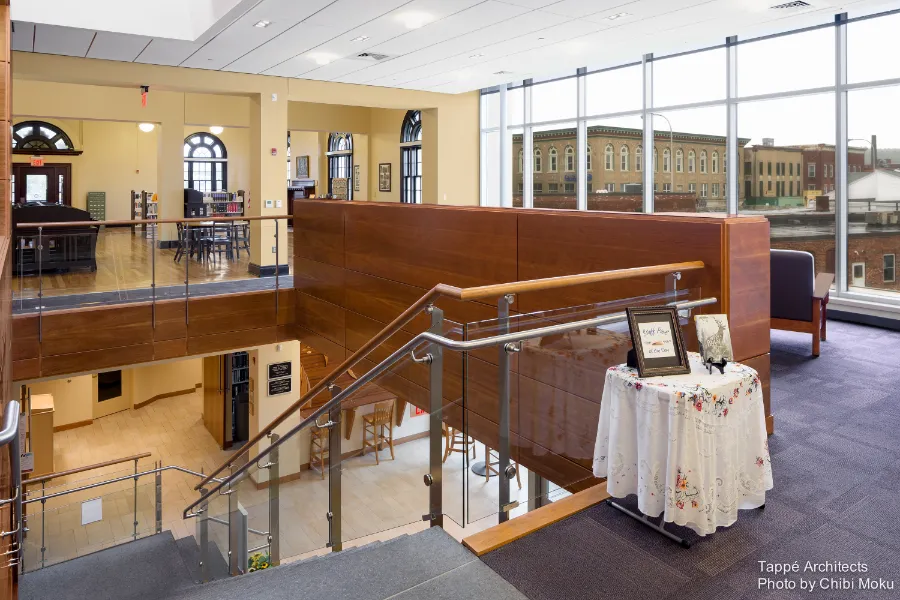
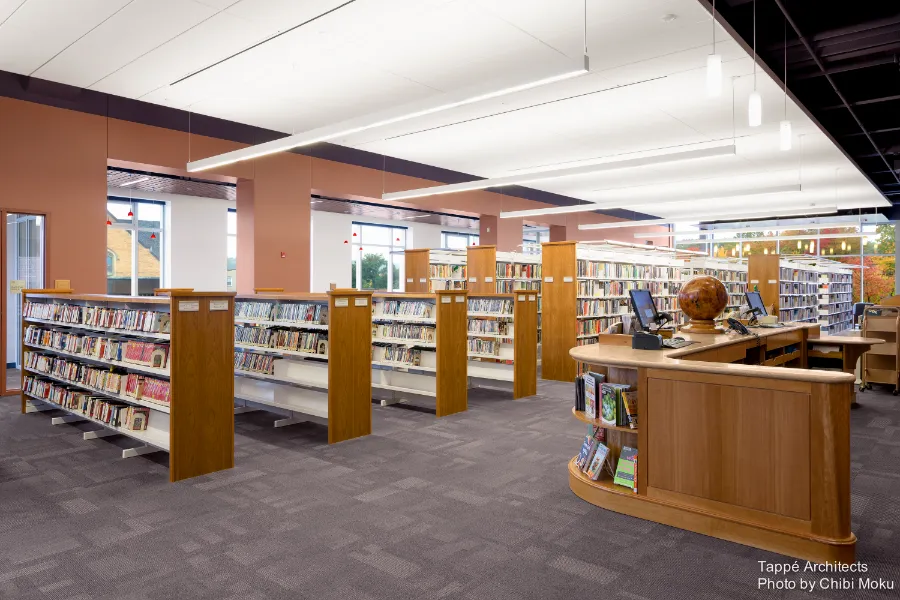
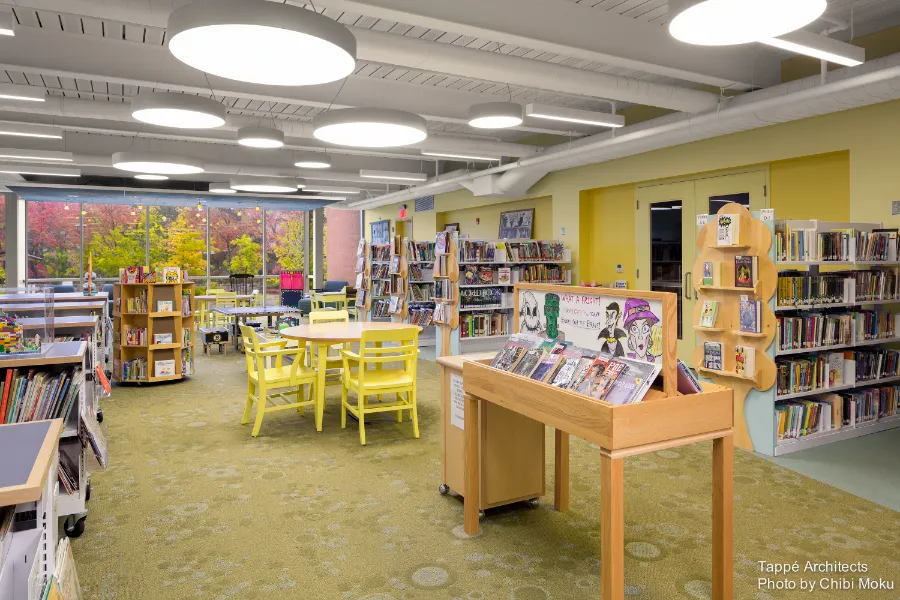
What makes the renewed Athol library work architecturally is how the project uses light, craft, and landscape to stitch everything together. The new entry is a glassy portal with granite stair elements and warm cherry surfaces that set an elegant tone without feeling precious. Spaces are oriented toward the river behind the property, turning nature into part of the library experience, especially in the children’s area where views pull you outward and the ceiling reveals exposed systems as a subtle educational gesture. Sustainability features like rooftop solar and high-efficiency mechanical systems are paired with accessibility goals, with the team describing it as possibly the most accessible building in town. In the restored Carnegie section, reclaimed “antique yellow pine” flooring, arched windows, and preserved fireplace elements help the historic rooms regain their original civic dignity, while the whole facility quietly proves that historic preservation can be a forward-looking environmental strategy rather than a nostalgic one.